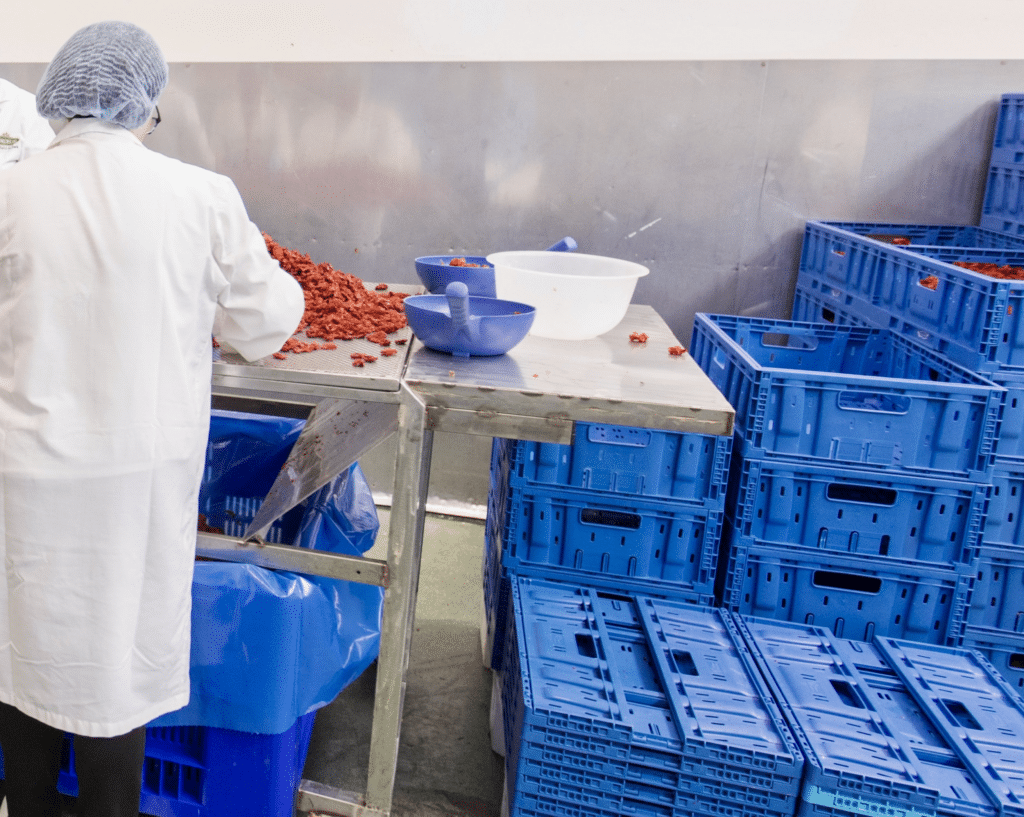































Fiordelisi Improves Transport Efficiency with Tosca’s Reusable Active Lock Crates
The challenge Fiordelisi is a long established Italian specialist in sun dried and semi dried vegetables, managing high seasonal volumes...
Published by Tosca, under Reusable packaging

Sustainability has become a defining priority for European supply chains. Retailers, manufacturers and logistics operators are under pressure to reduce waste, cut carbon emissions and comply with rapidly evolving packaging regulations. Yet despite the heightened focus on “sustainable packaging”, much of the conversation still centres on recycling.
Recycling does play an important role in material recovery – but it tackles waste after it has been created. A truly sustainable approach focuses on preventing waste in the first place. That is where reusable packaging delivers the strongest impact.
This shift is not just theoretical. It is reflected in the upcoming EU Packaging and Packaging Waste Regulation (PPWR), which requires reuse before recycling in certain instances.
Sustainability claims in packaging can be broad, and sometimes confusing. Not all “sustainable” packaging works the same way or delivers the same impact.
Packaging solutions generally fall into four categories:
| Approach | What it means | Limitation |
| Recyclable | Materials can re-enter recycled streams | Relies on user sorting and infrastructure; still has environmental impacts |
| Recycled Content | Made from recycled materials | Recycling affects quality of material; packaging specs limit % content |
| Compostable/Biodegradable | Breaks down under controlled conditions | Industrial composting rarely guaranteed; risk of contamination |
| Reusable Packaging | Durable assets designed for many cycles before recycling | Requires reverse logistics (solved via pooling model) |
Each approach has value, but only reusable packaging minimises environmental and social impacts along the value chain. Even highly recyclable single-use packaging requires continuous extraction, manufacturing, transport and disposal — all of which generate emissions consume resources and workforce health and safety exposure.
True sustainable packaging aligns with circular economy principles, which are: reduce material use, extend product life, keep resources cycling for as long as possible and protect your workforce.
Recycling is necessary, but not sufficient to minimise environmental and social impacts. When we compare waste and carbon reduction between recyclable and reusable systems, the gap is significant.
Environmental Impact
Operational Performance
Reusable packaging performs better across the supply chain because it is engineered for repeated trips, consistent handling, and exposure to demanding conditions. Unlike single-use materials, which are often optimised for cost, reusable plastic assets are optimised for performance and longevity. This translates into tangible operational advantages at every stage of the journey.
Reusable plastic packaging is:
By contrast, cardboard and lightweight single-use plastics degrade quickly when exposed to moisture, temperature changes, or repeated handling. Over time, these inconsistencies lead to product damage, waste, inefficiency, and higher total system costs — even if the packaging itself appears cheaper upfront.
Economic Efficiency
Recycling has real value, but it is not cost-free. Recycling systems generate ongoing expenses tied to waste collection, transportation, sorting, and material reprocessing. In many cases, businesses also pay for disposal of contaminated or non-recyclable materials, and then must purchase new single-use packaging to replace what was discarded.
Reusable systems operate very differently. Because assets circulate repeatedly, they deliver a significantly lower Total Cost of Ownership (TCO) over time. Value increases with every trip for several key reasons:
This economic model explains why reusable plastic assets are recycled only at end of life. The sustainability value — and the commercial value — lies in the many trips before recycling ever occurs, not in a single-use cycle.
The Packaging and Packaging Waste Regulation (PPWR) marks the most significant overhaul of European packaging legislation in decades. Unlike previous frameworks, which largely focused on recycling and material recovery, the PPWR shifts towards waste prevention through reuse. It establishes a clear hierarchy for future packaging systems:
Reuse → Recycle → Dispose
This hierarchy is reflected in several major policy changes, including:
Businesses that invest early in reusable packaging and pooling systems will not only be more prepared for regulatory compliance — they will also reduce Scope 3 emissions, strengthen supply chain efficiency, and gain a competitive advantage.
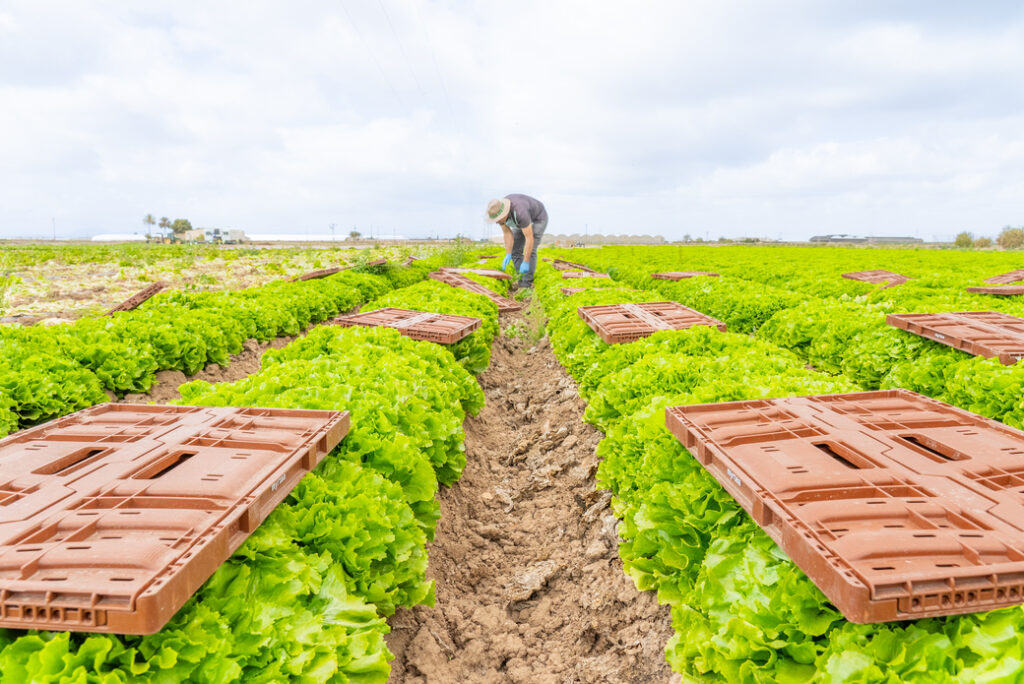
Reusable packaging contributes to meaningful sustainability outcomes by removing waste at the source and reducing the need for constant material production.
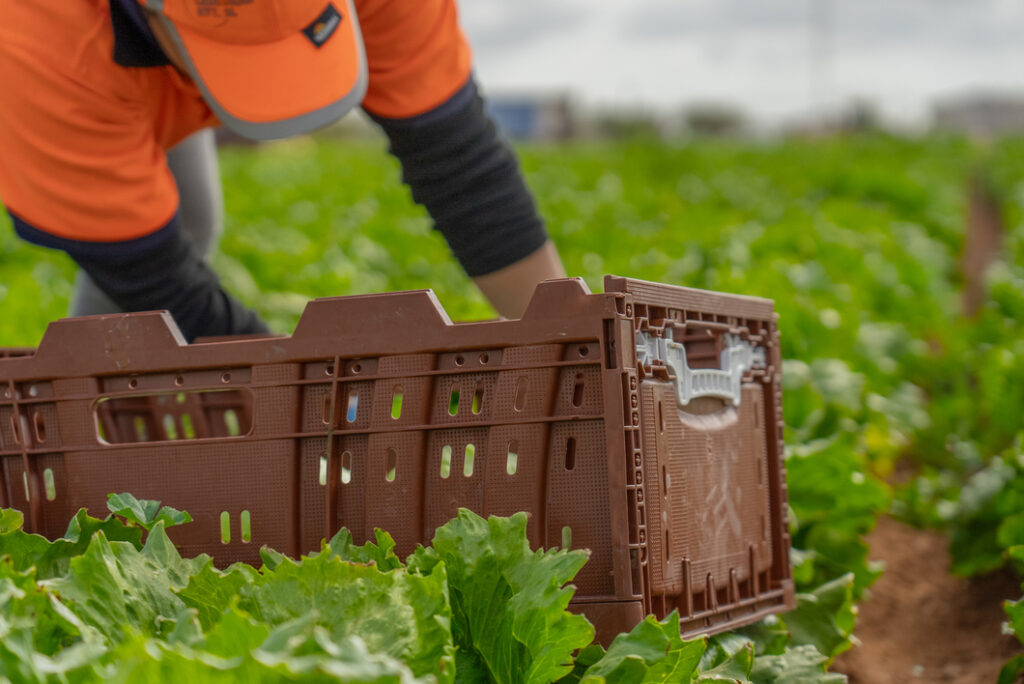
A common barrier to reusable packaging is logistics: Who owns the assets? Who retrieves them? Who washes and repairs them?
Without a system in place, reuse can seem difficult to operationalise. This challenge is solved through pooling.
What Is Pooling?
Pooling is a shared model in which reusable packaging circulates between multiple users rather than being purchased and managed by each company. Instead of every business running its own fleet of crates or pallets, they draw from a professionally managed pool.
How It Works
The cycle is straightforward:
This creates a continuous loop of clean, fit-for-purpose assets.
Why Pooling Matters
Pooling removes cost and complexity by providing:
As a result, businesses can adopt reusable packaging without:
Pooling is what makes reuse practical at scale, particularly in fast-moving sectors such as fresh produce, retail, FMCG and cold chain logistics. It turns reusable packaging from a sustainability concept into a reliable piece of supply chain infrastructure.
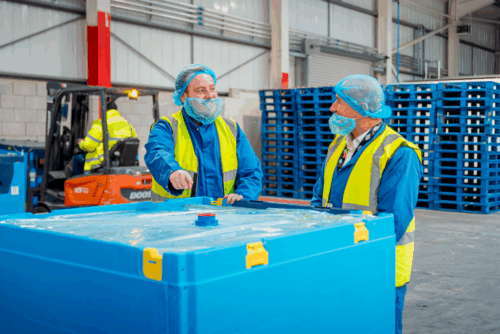
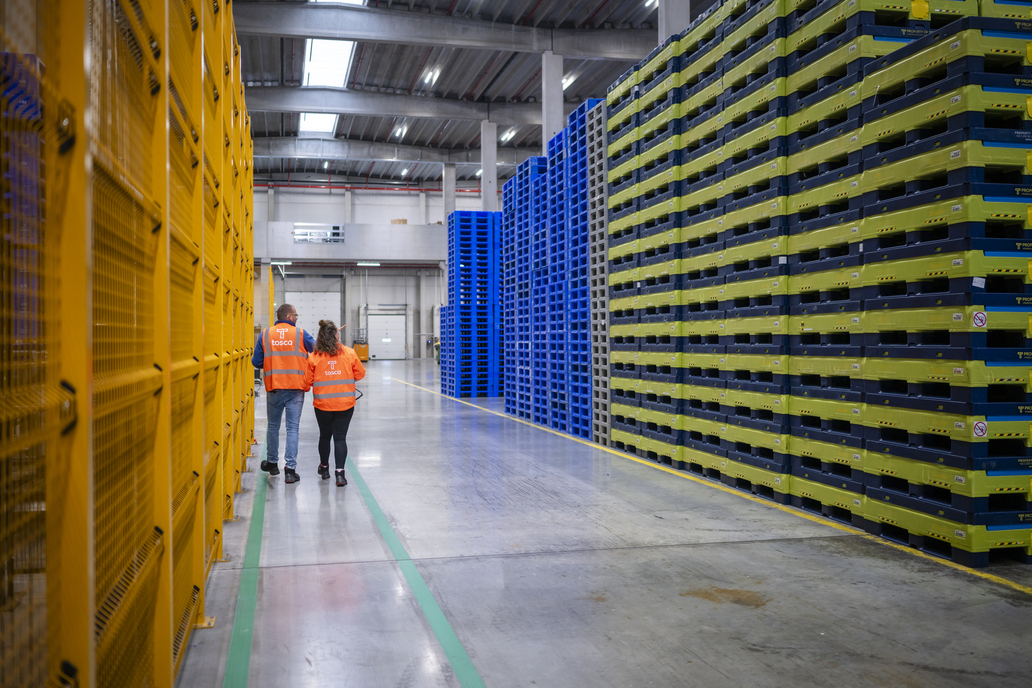
Tosca has built one of Europe’s most advanced reusable packaging pools, spanning crates, plastic pallets, dollies, displays and bulk containers — all tracked, washed and redistributed to support circular supply chains.
This ecosystem enables:
And crucially, the impact is measurable.
Tosca’s 2024 sustainability results demonstrate how reuse drives both environmental and operational performance:
Environmental Impact
Circularity & Operations
Regulatory & Customer Value
These results confirm that sustainability is not only compatible with operational excellence — it enables it.
At its core, sustainable packaging is about using fewer resources, not simply switching materials or improving recyclability. Reusable packaging delivers on this principle today by preventing waste at source, reducing upstream emissions, and extending the life of valuable resources. With new regulatory frameworks such as the PPWR formalising reuse as a priority, adoption will only accelerate across Europe in the coming years.
The organisations that act early will not only achieve compliance—they will shape the competitive landscape. By embedding reuse into their supply chains, forward-looking businesses will be able to:
The industry is moving towards circular logistics because it delivers environmental, economic and strategic advantages—not just because regulation demands it. Reuse is no longer an interesting sustainability concept; it is fast becoming the operating model for modern supply chains.
The shift is already underway, and the most successful organisations will be those that embrace it proactively rather than reactively.