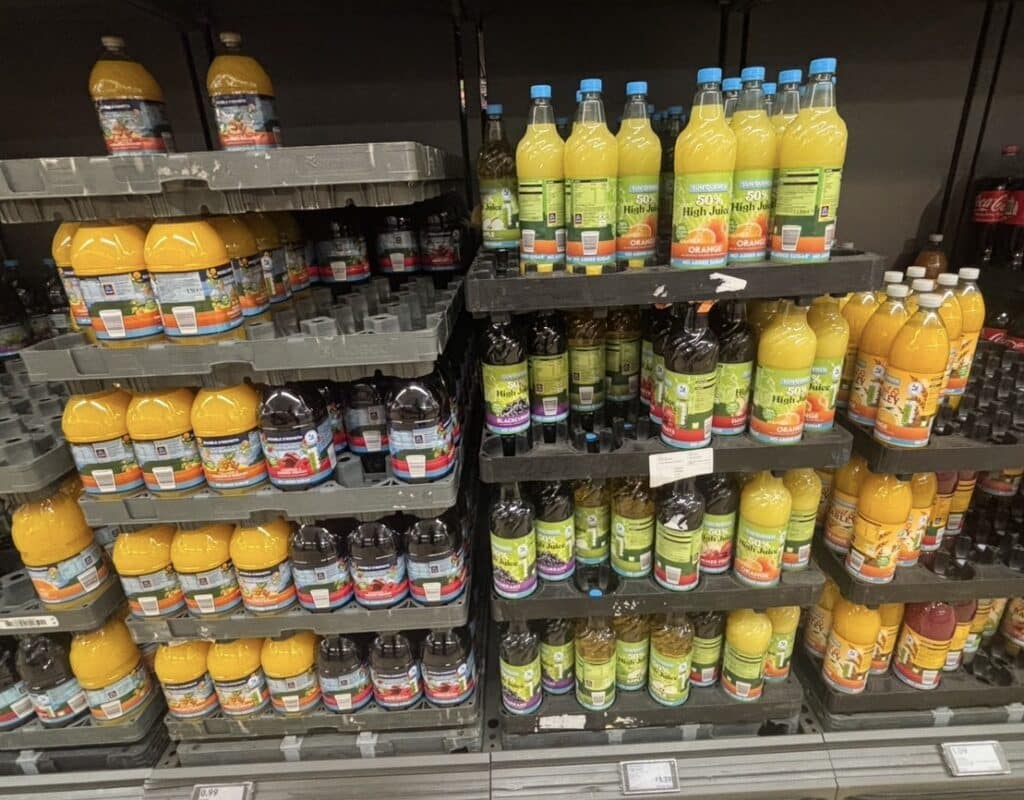
















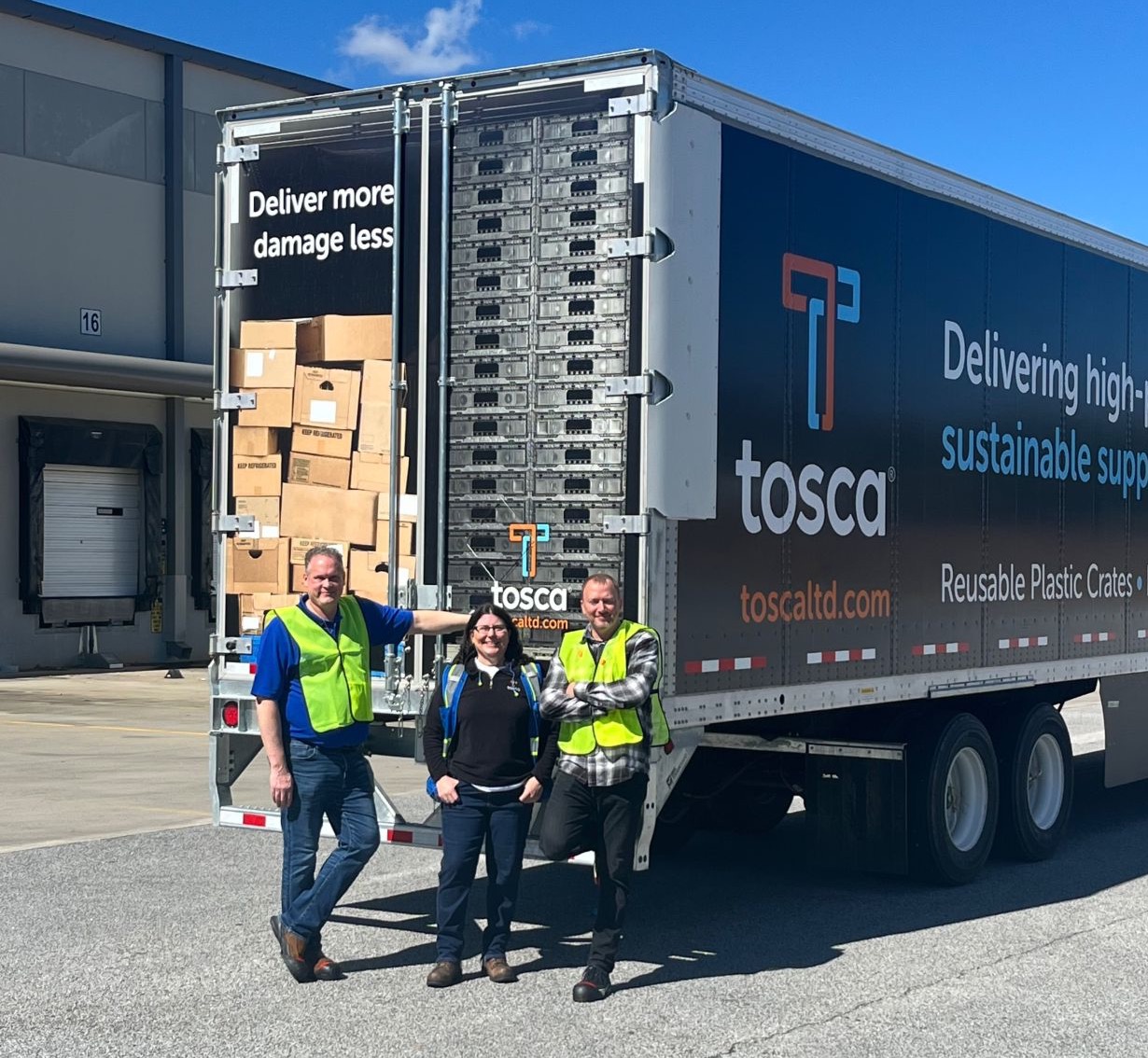







Norbev and Tosca: Driving Efficiency in Retail-Ready Beverage Supply Chains
Supplying high-volume beverages into UK retail requires precision, consistency and speed. For Norbev, meeting these demands meant ensuring packaging could...

Enhance supply chain efficiency, protect product quality, and drive sustainability with Tosca’s reusable packaging solutions and trusted partnership.

With in-house R&D and production, we’re at the forefront of reusable packaging and supply chain innovation.

Meet your sustainability goals by reducing C02 emissions, water waste and fossil fuel consumption.

Discover how Tosca’s expert partnership can optimise your supply chain.

See how Tosca’s pooling model streamlines your supply chain for seamless operations.
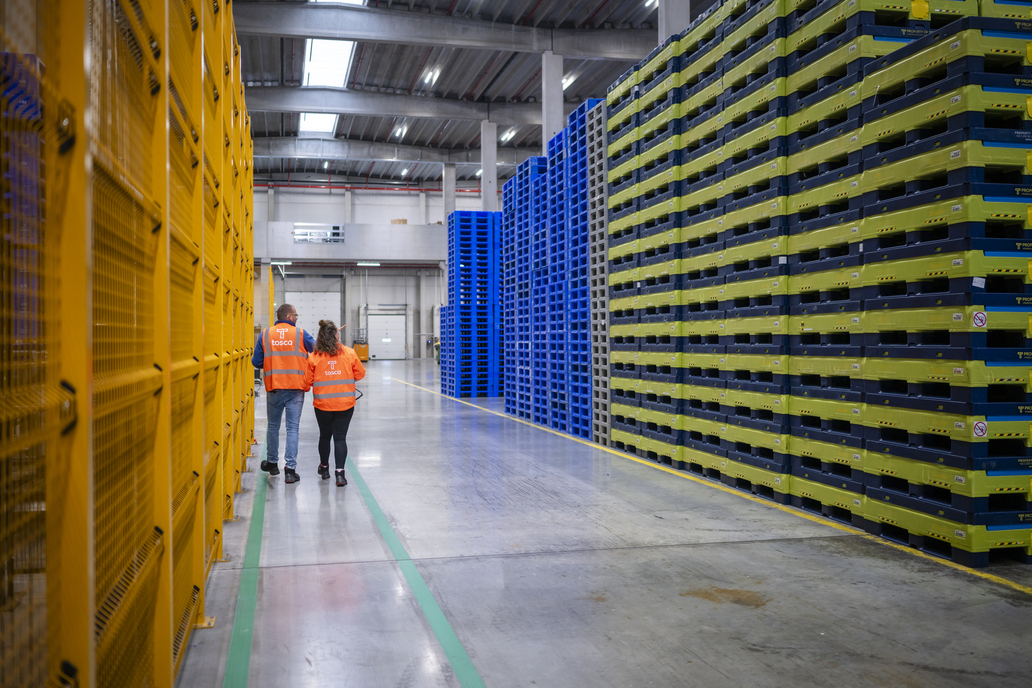
With Tosca’s pooling network, you’ll reduce waste, cut transport miles, and increase uptime.
A smarter, more sustainable way to move goods through your supply chain.

Learn about our 60+ year history, mission and values, and leadership team.

See our global network of service centers, get contact information, and directions.

Be at the forefront of sustainability with a talented team. Apply now.
Explore how reusable plastic packaging supports compliance with new PPWR and EU packaging regulations.
Enhance supply chain efficiency, protect product quality, and drive sustainability with Tosca’s reusable packaging solutions and trusted partnership.
With in-house R&D and production, we’re at the forefront of reusable packaging and supply chain innovation.
Meet your sustainability goals by reducing C02 emissions, water waste and fossil fuel consumption.
Discover how Tosca’s expert partnership can optimise your supply chain.
See how Tosca’s pooling model streamlines your supply chain for seamless operations.
With Tosca’s pooling network, you’ll reduce waste, cut transport miles, and increase uptime.
A smarter, more sustainable way to move goods through your supply chain.
Learn about our 60+ year history, mission and values, and leadership team.
See our global network of service centers, get contact information, and directions.
Be at the forefront of sustainability with a talented team. Apply now.
Explore how reusable plastic packaging supports compliance with new PPWR and EU packaging regulations.
Published by Tosca, under Thought leadership
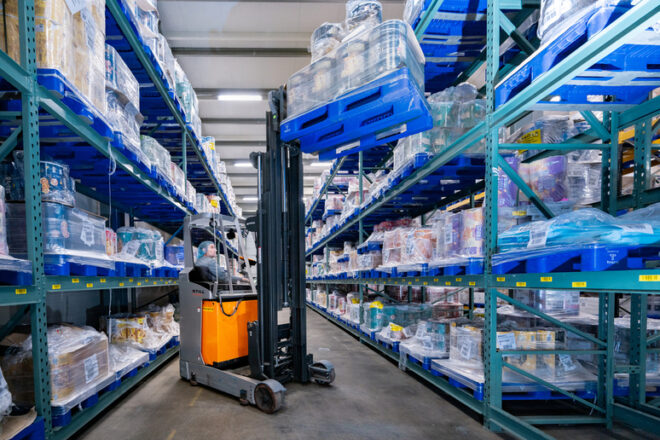
Supply chains today face a growing set of operational pressures. Retailers and FMCG producers must move higher volumes through increasingly complex networks while managing labour shortages, rising costs and increasing expectations for speed and reliability.
In this environment, packaging is no longer simply a transport medium – it is operational infrastructure. The type of packaging used across the supply chain directly influences throughput, automation performance, labour efficiency and overall resilience.
Reusable packaging and pooling systems help address these challenges by delivering consistent, high-quality assets across networks. By reducing variability and simplifying logistics operations, reusable systems support smoother flows, stronger operational control and the ability to scale more efficiently as demand grows.
Reusable plastic packaging delivers consistent dimensions and predictable performance across the supply chain. This consistency reduces the variability that can disrupt logistics and production environments.
With fewer stoppages and manual interventions, operations run more smoothly, supporting higher throughput and more reliable handling across facilities.
Unlike single-use packaging such as cardboard, which can vary in strength, dimensions or condition from one shipment to the next, reusable assets are designed to deliver the same performance across every rotation. This reliability helps operations teams maintain stable processes and reduce unexpected interruptions.
Pooling models provide high-quality assets on demand while removing the burden of internal asset management. Collection, cleaning, inspection and redistribution are managed within the pooling network, ensuring assets are always available when needed.
This managed system reduces operational complexity and ensures reliable supply — particularly during seasonal peaks or periods of demand volatility.
Instead of investing in packaging assets, storage space and reverse logistics management, businesses can rely on a managed system that ensures consistent availability of packaging across the network. This allows organisations to focus on core operations while maintaining reliable packaging supply throughout the year.
Uniform dimensions, stable stacking and consistent design make reusable packaging easier to move, store and transport throughout the supply chain.
These characteristics increase operational throughput and speed up turnaround times across warehouses, distribution centres and retail networks. In high-volume FMCG environments where products move rapidly through facilities, even small improvements in handling efficiency can translate into significant operational gains.
Standardised reusable packaging helps streamline these processes by enabling more predictable and consistent movement of goods, reducing disruptions caused by damaged or inconsistent packaging.
Reusable packaging is also designed with ergonomics and stability in mind, making it safer for employees to handle during loading, picking and transportation.
Features such as stable stacking and lighter, ergonomic design reduce the risk of accidents and product damage while supporting safer manual handling in warehouses and distribution centres. By improving both stability and ease of use, reusable packaging helps create safer working environments in fast-moving logistics operations.
Automation depends on consistency. Variations in packaging dimensions, weight or durability increase error rates, trigger system stoppages and reduce the return on automation investments. Inconsistent packaging can cause conveyor disruptions, equipment jams and handling inefficiencies that slow down high-speed operations.
Standardised, durable reusable plastic packaging – including crates, pallets and trays – provides the uniformity automated systems require. Designed with precise, consistent specifications, these assets integrate reliably with automated conveyors, robotics and high-throughput storage systems, reducing exceptions and enabling smoother, faster operations without the need for costly equipment adjustments.
Packaging choices made today also shape the long-term potential for automation. Reusable systems offer a stable, repeatable platform that supports increasingly automated supply chains as technologies evolve.
As logistics and production environments continue to automate, packaging consistency will become a critical performance factor. Reusable packaging delivers the structural reliability needed to support automated handling systems while maintaining efficiency, stability and product protection throughout the supply chain.
As supply chains continue to evolve, businesses are increasingly recognising that packaging systems play a critical role in operational performance. The ability to move products efficiently, integrate automation and maintain consistent operations across multiple locations depends heavily on the reliability of the packaging used.
Reusable packaging and pooling systems provide a scalable solution that supports both current operational needs and future supply chain development. By combining durable assets with managed pooling networks, businesses can reduce complexity, improve efficiency and create more resilient logistics systems capable of adapting to changing market conditions.
For organisations looking to strengthen operational performance while preparing for the future of supply chain automation, reusable packaging is rapidly becoming a strategic infrastructure choice rather than simply a packaging decision.
Reusable packaging and pooling systems help supply chains operate more efficiently by providing:
• Consistent packaging performance that reduces disruptions and operational variability
• Managed pooling networks that ensure reliable asset availability during demand peaks
• Faster, safer handling that improves productivity and reduces product damage
• Lower labour dependency through simplified processes and reduced waste handling
• Automation-ready packaging that supports high-speed logistics and future automation investments
As supply chains become more complex and automated, reusable packaging is increasingly recognised as a critical foundation for operational efficiency and long-term resilience.
Want to find out more? Download our whitepaper to explore how reusable systems deliver measurable operational and regulatory value across European supply chains.