






















Norbev and Tosca: Driving Efficiency in Retail-Ready Beverage Supply Chains
Supplying high-volume beverages into UK retail requires precision, consistency and speed. For Norbev, meeting these demands meant ensuring packaging could...


Enhance supply chain efficiency, protect product quality, and drive sustainability with Tosca’s reusable packaging solutions and trusted partnership.

With in-house R&D and production, we’re at the forefront of reusable packaging and supply chain innovation.

Meet your sustainability goals by reducing C02 emissions, water waste and fossil fuel consumption.

Discover how Tosca’s expert partnership can optimise your supply chain.

See how Tosca’s pooling model streamlines your supply chain for seamless operations.
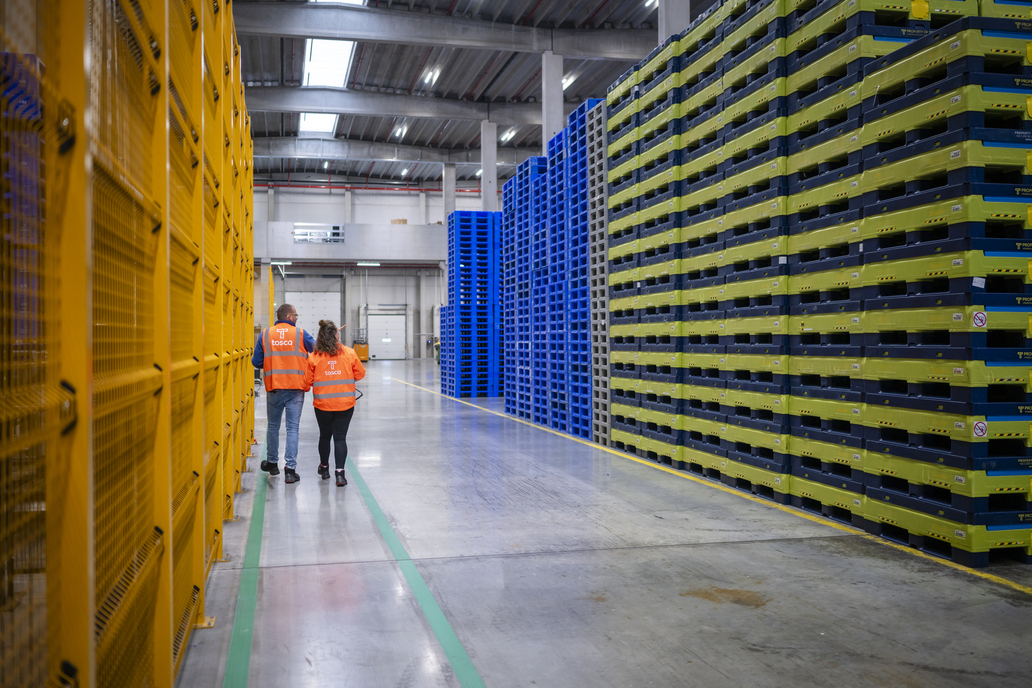
With Tosca’s pooling network, you’ll reduce waste, cut transport miles, and increase uptime.
A smarter, more sustainable way to move goods through your supply chain.

Learn about our 60+ year history, mission and values, and leadership team.

See our global network of service centers, get contact information, and directions.

Be at the forefront of sustainability with a talented team. Apply now.
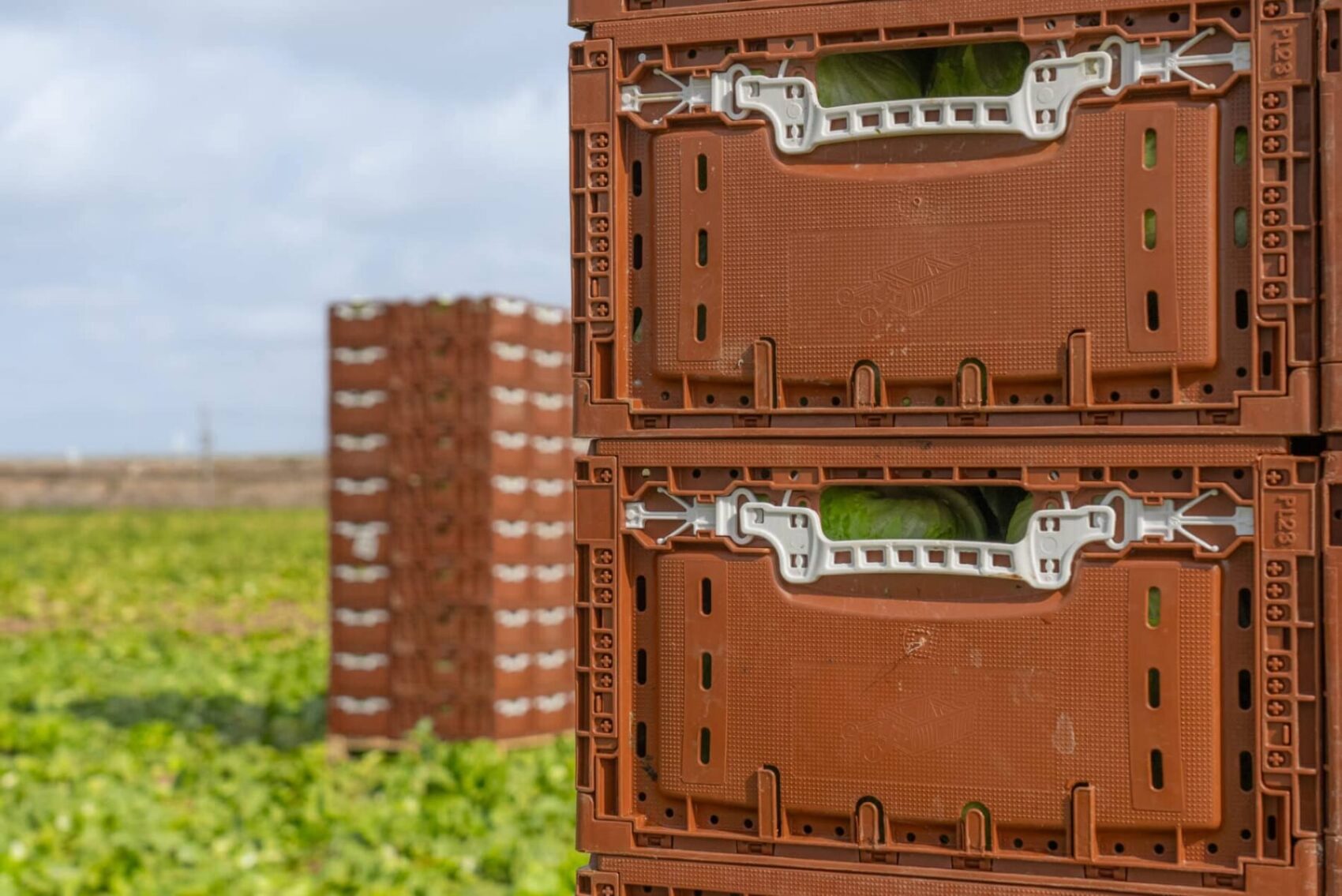
Explore how reusable plastic packaging supports compliance with new PPWR and EU packaging regulations.
Enhance supply chain efficiency, protect product quality, and drive sustainability with Tosca’s reusable packaging solutions and trusted partnership.
With in-house R&D and production, we’re at the forefront of reusable packaging and supply chain innovation.
Meet your sustainability goals by reducing C02 emissions, water waste and fossil fuel consumption.
Discover how Tosca’s expert partnership can optimise your supply chain.
See how Tosca’s pooling model streamlines your supply chain for seamless operations.
With Tosca’s pooling network, you’ll reduce waste, cut transport miles, and increase uptime.
A smarter, more sustainable way to move goods through your supply chain.
Learn about our 60+ year history, mission and values, and leadership team.
See our global network of service centers, get contact information, and directions.
Be at the forefront of sustainability with a talented team. Apply now.
Explore how reusable plastic packaging supports compliance with new PPWR and EU packaging regulations.
Safety is not always the first consideration in packaging decisions, but it should be. Packaging formats directly influence how goods are handled, how environments are organised, and how risk is distributed across the supply chain. When designed and implemented properly, reusable packaging systems reduce variability, improve control and lower risk in ways that single-use alternatives struggle to match.
This matters more than ever as organisations face rising expectations around duty of care, workplace safety performance and consumer protection.
In the Transportation and Storage sector, approximately 40,000 workers reported a workplace non-fatal injury, and nearly a quarter (24%) of these cases led to absence sexceeding seven days.
Approximately 2.4% of workers in Transportation and Storage experienced a workplace non-fatal injury, a rate that is statistically significantly above the cross-industry average of 1.8%.
Manual-handling injuries are often driven by variability. Reusable packaging reduces this risk by providing standardised footprints, consistent weights and defined stacking limits, supported by ergonomic features that make handling safer and more predictable.
Reusable plastic assets do not splinter, warp or shed debris, reducing a common source of workplace injury. Over time, this consistency supports safer workflows helps reduce absenteeism, labour disruption and associated costs.
Increasing worker safety through predictable handling
One of the primary causes of manual-handling injuries is variability. Inconsistent dimensions, degraded packaging and unstable loads increase the likelihood of strain, slips and accidents. Reusable packaging systems are designed to minimise this variability.
Standardised footprints, consistent weights and defined stacking limits allow workers to handle loads with greater confidence. Ergonomic features such as integrated handholds and smooth edges reduce strain during lifting and movement. Unlike wooden packaging, reusable plastic assets do not splinter, warp or shed debris – removing a common source of frequent, low-level injuries.
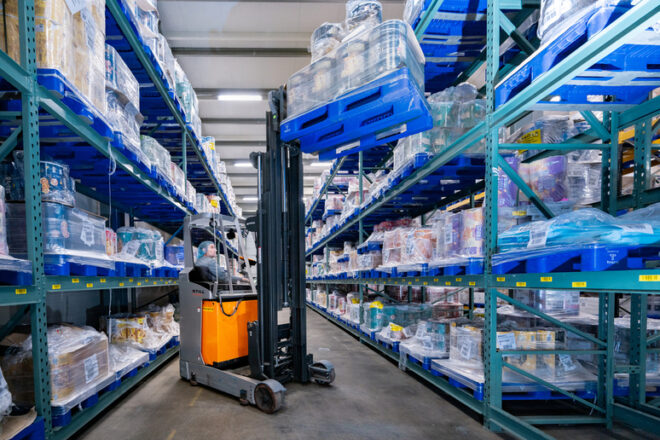
Over time, this predictability supports safer workflows, particularly in high-throughput environments such as distribution centres and retail backrooms. Reduced injury rates also bring secondary operational benefits, including lower absenteeism, reduced reliance on temporary labour and fewer disruptions to daily operations.
In safety-critical environments, these improvements support stronger compliance with occupational health and safety regulations across the UK and EU.
Hygiene and contamination control
Hygiene is a critical consideration in food, beverage and pharmaceutical supply chains. Materials that absorb moisture or degrade over time create environments where bacteria and allergens can persist. Cardboard and wood, by their nature, are difficult to sanitise effectively and are often discarded once compromised.
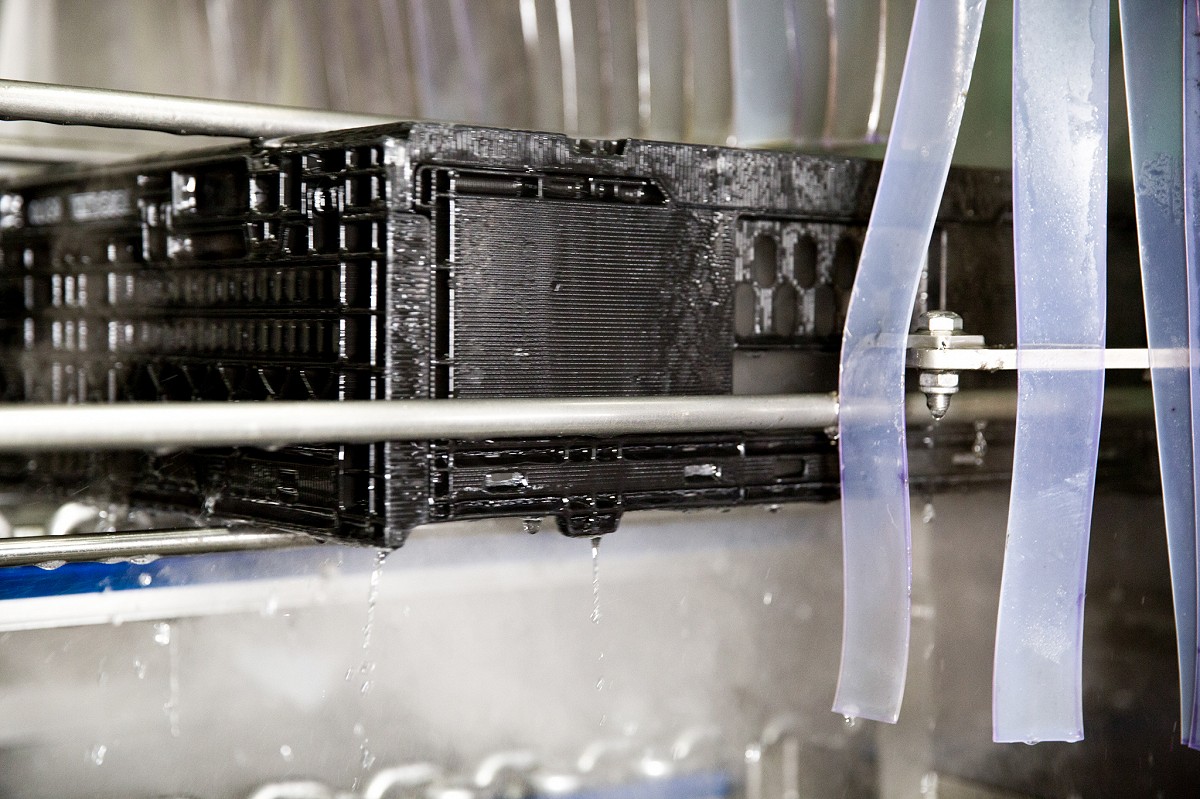
Reusable plastic packaging enables controlled cleaning and sanitisation processes. Assets can be washed to defined standards, inspected, and reintroduced into circulation only when they meet hygiene criteria. This reduces the risk of cross-contamination and supports compliance with food safety and quality management systems.
In regulated sectors, documented cleaning cycles and inspection records also support audits, hazard analysis and traceability requirements- strengthening confidence among regulators, customers and brand owners alike.
Delivering product integrity and consumer protection
Packaging failures do not stop at the warehouse door. Damaged or contaminated packaging increases the likelihood that compromised products reach consumers, creating safety risks and reputational exposure.
Reusable packaging systems are designed to protect contents consistently across multiple handling stages. Rigid structures prevent crushing and compression; ventilated designs support airflow for perishables, helping maintain freshness; and secure stacking reduces movement during transport, lowering the risk of leaks or spills.
These characteristics reduce waste, but more importantly, they protect consumer safety—an outcome that is difficult to quantify but central to brand trust.
The consequences of failure are increasing. The Office for Product Safety and Standards (OPSS), which manages the UK Product Safety Database, highlights the growing scale and complexity of product safety incidents reported across consumer markets.
With the average cost of a product recall estimated between £2.5m and £5m, including logistics disruption, compensation, lost sales and reputational damage, reducing avoidable risk within packaging systems is a clear commercial priority.
Where incidents do occur, robust packaging systems and improved traceability enable faster, more targeted responses – limiting exposure and protecting consumer confidence.
Safer retail and on-site environments
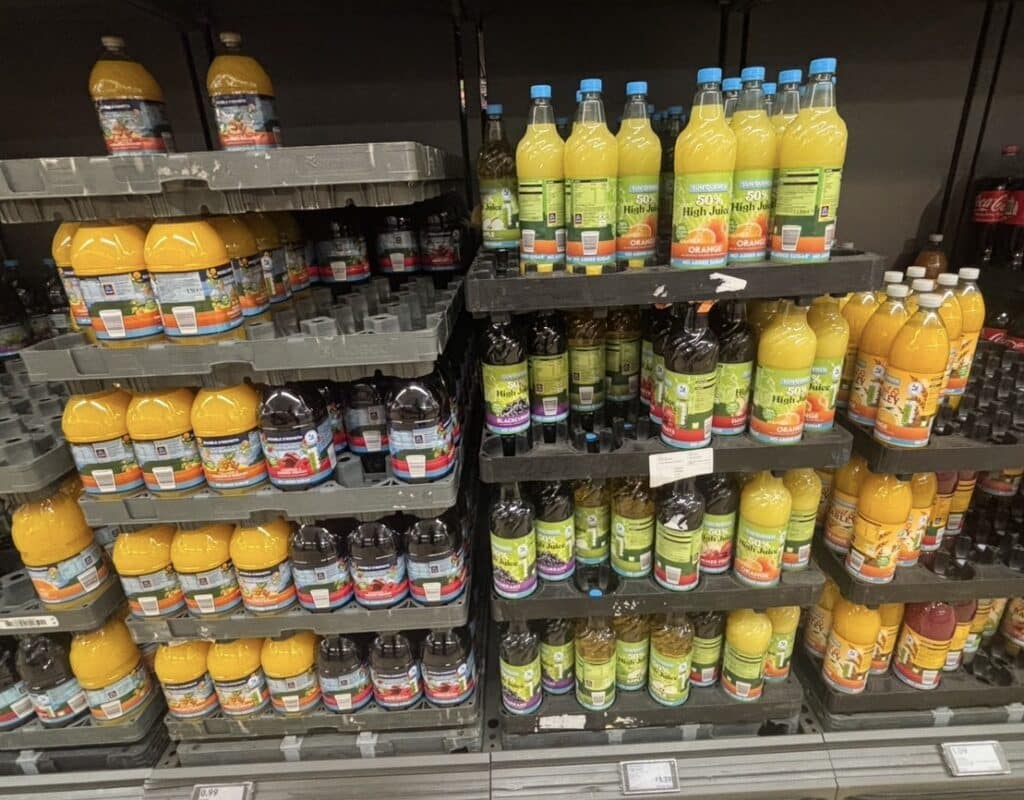
At the retail level, packaging choices directly affect store safety. Shelf-ready and display ready reusable formats such as beverage trays, reusable crates and dynamic displays reduce manual repackaing, cutting, repetitive handling and associated strain. Stable, uniform units are also less likely to tip or collapse when compared to cardboard, reducing the risk for both staff and customers.
Quality control through pooling
Pooling systems add a further layer of risk management. Assets are regularly inspected, cleaned and maintained, with units that do not meet quality standards removed before re-entering circulation.
Built-in traceability supports incident investigation and continuous improvement, helping organisations identify and address issues before they escalate. In this context, reusable packaging functions not just as a container, but as part of a controlled operational system.
By embedding quality control into the packaging lifecycle itself, pooling models shift safety from a reactive concern to a managed, proactive capability—reducing risk across workers, products and consumers alike.
Want to find out more?
This blog highlights how packaging decisions influence safety, risk and operational performance across the supply chain.
Our full whitepaper explores this in more depth—examining how reusable packaging functions as a strategic asset, shaping cost, compliance, operational efficiency and risk management across the P&L.
Download our whitepaper to explore the full business case for reusable packaging and pooling.
Published on April 27, 2026
Updated on April 28, 2026