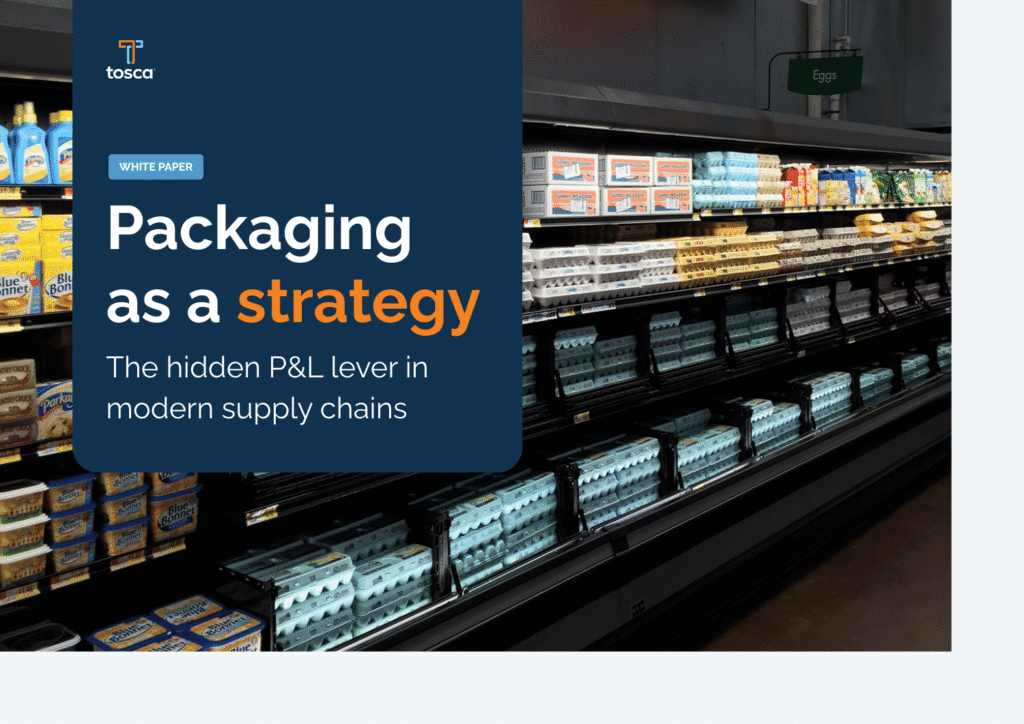








Why packaging is eating your profit margin
Ask any supply chain executive where their biggest cost pressures are, and you’ll hear the same answers: labor, freight, and...

Protect product quality, gain efficiency, impact sustainability goals, and create bottom-line savings in one move.

Fewer out-of-stocks, higher product quality, greater sustainability impact.

Improve throughput, optimize storage, and reduce rejections.

Drive efficiency and enjoy faster, smoother DC operation.
Access solutions and perks that green your operation and save you money. From planning to implementation, we are with you every step of the way.
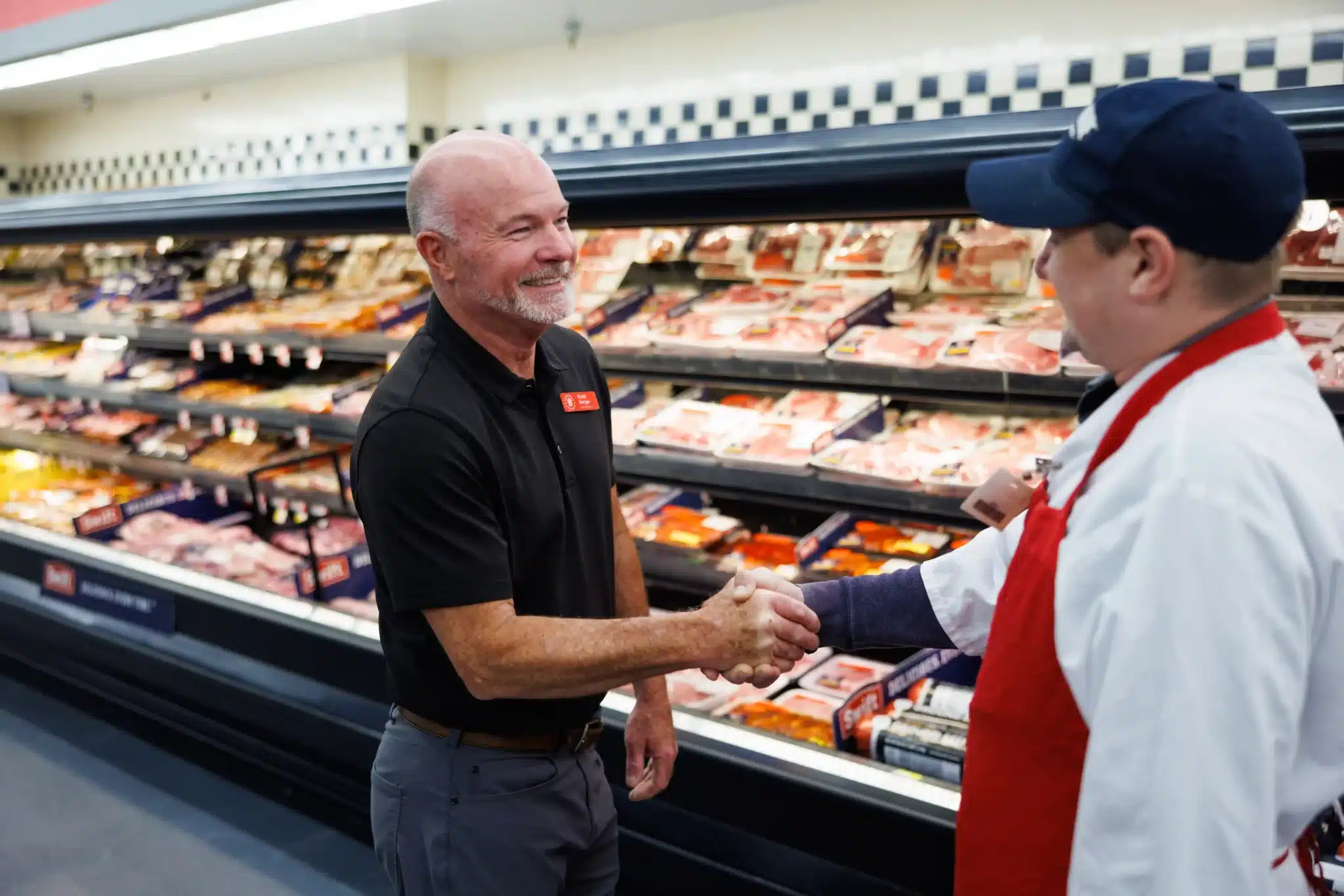
See how this leading grocer improved efficiency and sustainability by switching to Tosca RPCs. Learn the real-world impact and results in this customer success story.
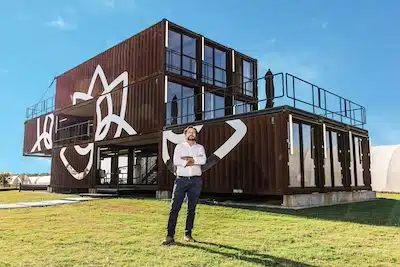
Discover inspiring customer stories that highlight how our solutions have made a difference.

See why the world’s top retailers & suppliers partner with Tosca.

Reduce emissions, eliminate waste to landfills, and conserve energy.

Learn about our 60+ year history, mission and values, and leadership team.

Customize assets to meet your needs with our in-house R&D experts.

See our global network of service centers, get contact information, and directions.

Be at the forefront of sustainability with a talented team. Apply now.
Protect product quality, gain efficiency, impact sustainability goals, and create bottom-line savings in one move.
Fewer out-of-stocks, higher product quality, greater sustainability impact.
Improve throughput, optimize storage, and reduce rejections.
Drive efficiency and enjoy faster, smoother DC operation.
Access solutions and perks that green your operation and save you money. From planning to implementation, we are with you every step of the way.
See how this leading grocer improved efficiency and sustainability by switching to Tosca RPCs. Learn the real-world impact and results in this customer success story.
Discover inspiring customer stories that highlight how our solutions have made a difference.
See why the world’s top retailers & suppliers partner with Tosca.
Reduce emissions, eliminate waste to landfills, and conserve energy.
Learn about our 60+ year history, mission and values, and leadership team.
Customize assets to meet your needs with our in-house R&D experts.
See our global network of service centers, get contact information, and directions.
Be at the forefront of sustainability with a talented team. Apply now.
Major grocery chains like Kroger and Costco have flourished over the last 100 years thanks to rapid technological advances and increased consumer demand for convenience.
But this convenience wasn’t always the gold standard.
In the pre-20th century, grocery shopping was a local experience. This wasn’t because consumers preferred to shop local but because the food supply chain looked much different back then.
Most perishable food was delivered (unpackaged) to stores by canal boat, steamboat, rail, and/or wagon. Processed food was typically shipped in metal tins, kegs, or wooden crates and barrels repurposed for other uses.
How did our modern supply chains become a reality? Let’s explore the rise of industrialization, improved materials, and better processes that made them happen.
The United States underwent expansive industrialization in the early 1900s, allowing mass production to grow.
The completion of the US railroad system by 1900 and the introduction of the assembly line in 1913 (which allowed cars and trucks to be mass-produced) created a need for more durable shipping containers. This jumpstarted the transition from traditional wooden containers to corrugated shipping cartons, which are still a standard in today’s supply chain.
These innovations contributed to the emergence of the supermarket model in the 1930s and 1940s. Retail grocers went from small, specialized shops to large, centralized stores. Michael J Cullen opened King Cullen in 1930, the first American supermarket with self-service, discount pricing, and chain marketing.
By the mid-20th century, corrugated had replaced wood and metal as the dominant packaging material. At the time, it represented a better option; it was cheaper, lighter, and more adaptable to supply chain needs than wooden crates or metal containers.
However, while corrugated provided an economic advantage, it brought new challenges. Retailers began to recognize its drawbacks, including:
Alongside this advancement, warehouse distribution models emerged. With a focus on short-term storage and rapid distribution of goods, warehouse distribution models allowed for quick delivery of perishable foods.
However, environmental awareness grew in the 1970s, a movement influenced by the 1973 and 1979 energy crises.
At this time, the grocery industry began to recognize the downsides of corrugated: Its high production costs, recycling challenges, contribution to the waste stream, limitations in preventing food damage, and its tendency to impart odor onto foods.
This led retailers to fight for more control over packaging standards for quality control, influencing how suppliers packaged their goods for optimized stacking, storage, and handling.
Grocery supply chains have always evolved alongside new technology. IBM’s introduction of computerized inventory management in 1967 offered a new opportunity to recalibrate the supply chain by allowing retailers to track stock electronically.
That shift -laid the foundation for barcodes and scanning systems in the 1970s, and then automated warehouses in the 1990s, and AI-driven forecasting today.
Robotics can now pick and sort products. Real-time data can help manage supply and demand. Automated distribution centers can move goods faster. IoT tracking can create visibility from supplier to shelf.
These advancements have improved stocking accuracy, reduced waste, and cut labor costs—but they also require consistency in the packaging that moves through them.
Reusable packaging is designed for these systems. Unlike corrugated, which vary in size and durability, reusable containers provide standardized, automation-friendly construction that prevents machine jams and improves tracking.
Tosca was among the first US companies to carve out a niche in reusable transport containers by effectively recycling cheese barrels for a major food manufacturer—Kraft. Our commitment to eliminating one-way packaging waste has remained strong through the decades.
But it wasn’t until the 1990s that Tosca and Georgia Pacific considered something new—launching a line of RPCs. This offering gave retailers and suppliers a more sustainable and practical solution to food delivery in place of corrugated.
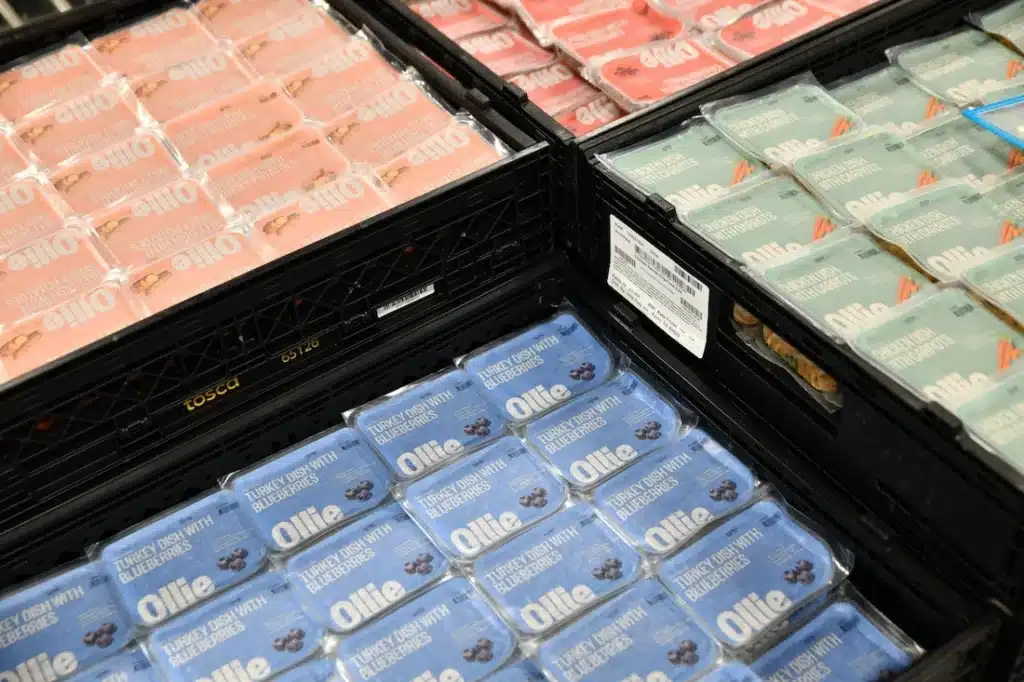
Packaging optimization provides cost reduction and product protection while streamlining logistics. Reusable packaging solutions (like RPCs, pallets, and bulk bins) have emerged as a key part of grocery supply chain optimization, offering:
RPC logistics allow multiple parties to use the same bins, streamlining costs and reducing waste. The RPC pooling providers also handle cleaning, maintenance, tracking, and logistical complexities so each stakeholder can focus on managing their operations.
The sustainable packaging market continues to surge in growth and is forecasted to reach $557.65 billion by 2034. Tosca acquired Georgia Pacific’s RPC business unit in 2012 and has grown into one of the most innovative leaders in the RPC space.
Today, Tosca brings more than five decades of expertise to its customers looking for customized reusable packaging and supply chain solutions. A single Tosca RPC can be packed, shipped, stocked, washed, and returned more than 100 times, delivering more than 50 pounds of product per trip before being recycled into the next generation of reusables.
Tosca provides retailers and suppliers with end-to-end solutions for reusables:
The systems that move food have changed. The packaging that moves with them has to change, too.
Make the change to RPCs for a more sustainable future, and contact Tosca today.
Published on January 14, 2026
Updated on January 29, 2026