

















How to reduce risks and boost food safety in the meat industry
Meat processors struggle to fill open positions and keep well-trained employees on staff. The numbers bear this out. Consider the...
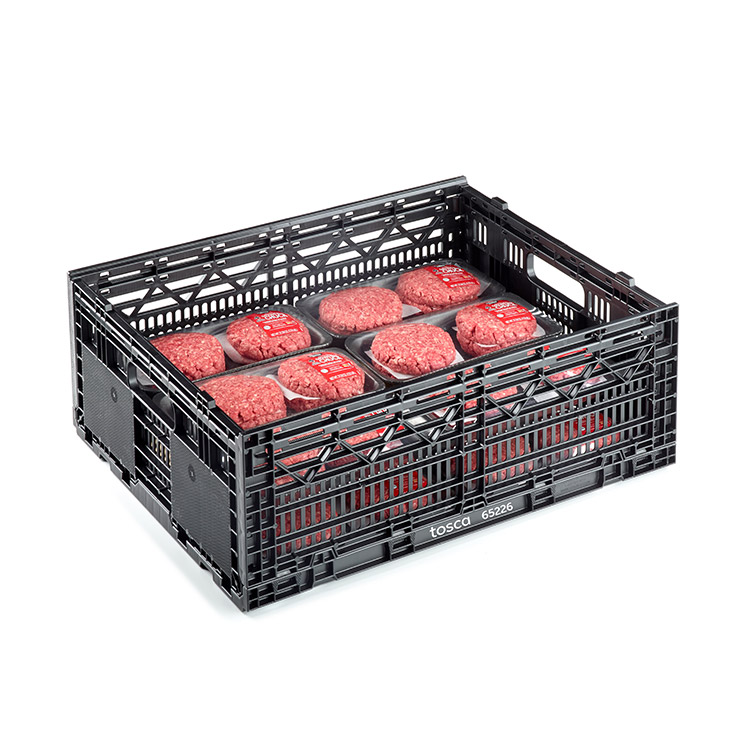
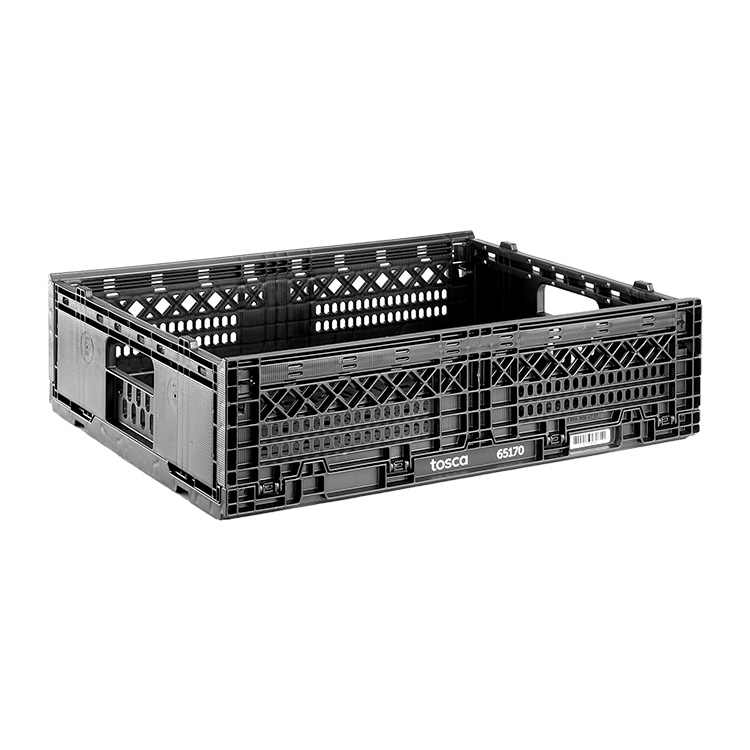
Reduce costs throughout the fresh meat and pork supply chain with this reusable container.
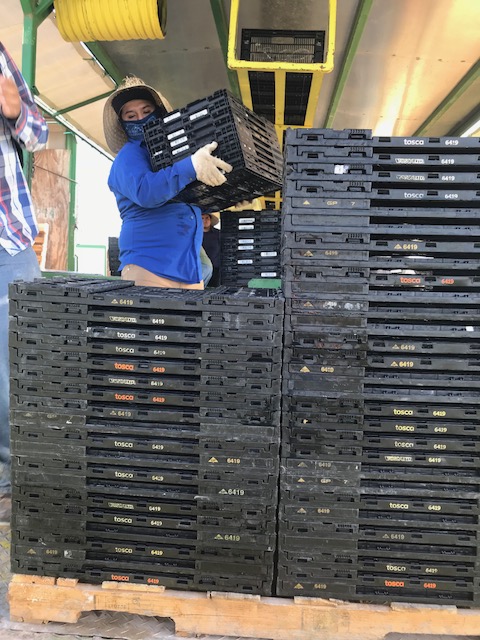
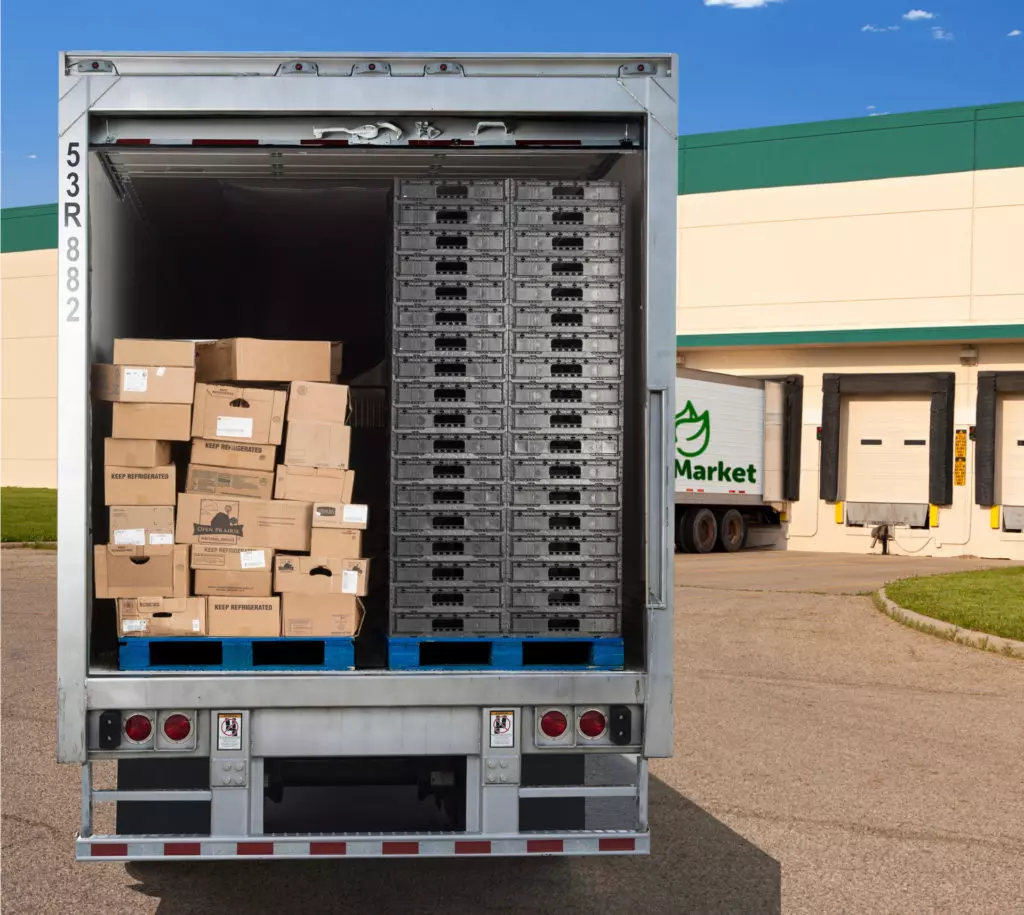
4x stronger than corrugated, this RPC protects valuable cuts from damage during transport. Its greater structural integrity also allows higher stacks than corrugated can, maximizing cube and reducing the number and cost of trips.



Reduces shrink/product damage.
Made of durable plastic, this RPC is 400% stronger than corrugated, preventing product damage during transport and significantly reducing shrink.

Saves on labor.
Ergonomic design makes these quicker and easier to stack. Reusability eliminates the time required for breakdown and disposal of corrugated boxes, further reducing labor costs.

Saves on transportation.
25% Stronger, stacks higher than corrugated, standardized footprint to provide added stability, this RPC maximizes cube utilization, minimizing trips.

Supports sustainability.
Durable enough to be reused for years, and recyclable.

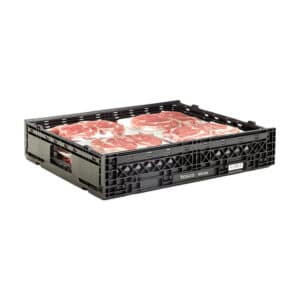
Made from 100% recyclable plastic, our crates are durable and strong, protecting high value meat from damage and minimising food waste.
Saves time and reduces labour costs with easy-to-handle meat crates that can go directly from truck to shelf.
Easy to wash, clean and maintain, meeting strict food safety and hygiene standards.
Design to utilise transport trips and save costs.
Increase sustainability across meat supply chain due to reusable, recyclable crates, reduced transport trips and lower food waste.

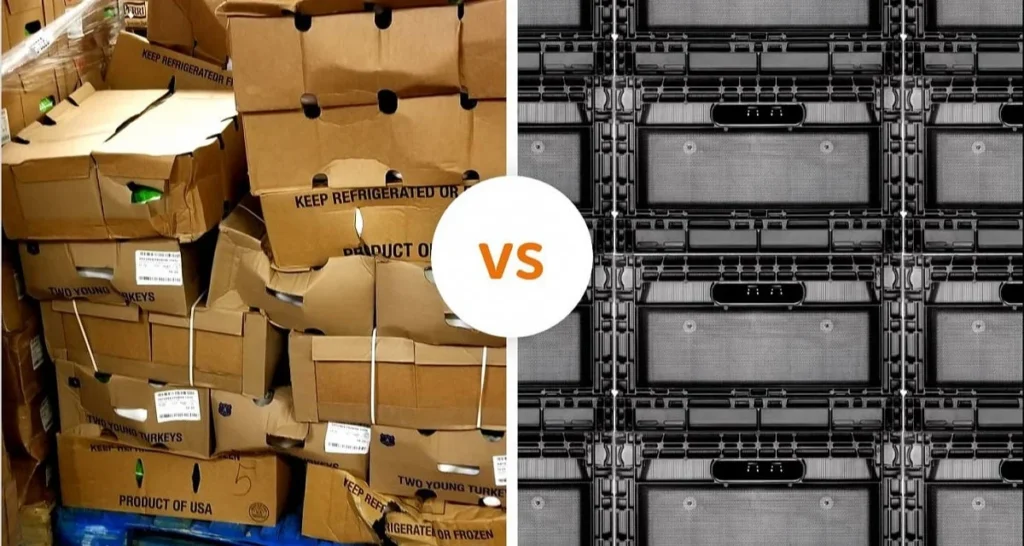
Products are more prone to damage during transportation, when wet and in-store, increasing food waste and costs.
Requires extra handling in-store, increasing labour time and costs.
Less hygienic and difficult to clean.
Limited stackability, higher transport costs
Single-use only, less sustainable due to higher waste and more frequent replacement needs, increasing transport trips and food waste.
Tosca Meat 65126 reusable plastic container is engineered specifically for high-volume meat production lines, where speed, consistency, and worker efficiency are critical. The meat crate prevents line jams, improves worker safety, reduces mess, and minimizes manual tasks. Its standardized dimensions and rigid, uniform structure facilitate integration with automated conveyor systems and robotics, directly increasing throughput and cutting labor time.
Unlike single-use meat shipping boxes, the Meat 65126’s rigid base and solid sidewalls prevent leaks (purge) caused by moisture exposure. Its sturdy construction also protects products from crushing and damage that occurs during stacking and transit, reducing product loss, waste, and costly rework.
Switching to plastic meat crates like Tosca’s Meat 65126 enables zero-waste and CO₂ goals by replacing single-use corrugated boxes with a reusable, sustainable solution. These crates reduce landfill waste and, through repeated use in a closed-loop system, significantly lower the carbon footprint of packaging production, transport, and disposal. Tosca’s products are also 100% recyclable at the end of its lifespan.