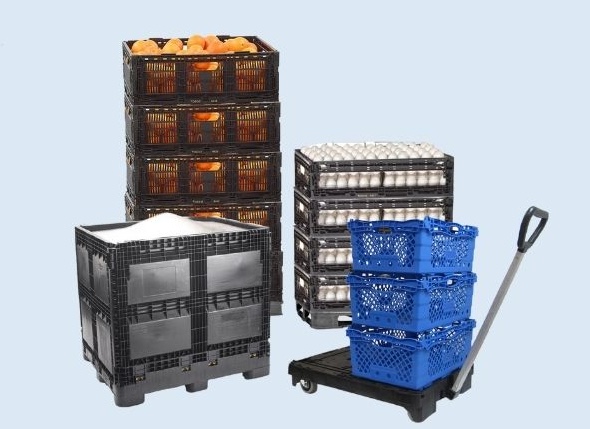








The impact of changing your packaging mindset
Retailers are key players in nearly every aspect of the supply chain, from vendor relationships to transportation logistics and in-store...

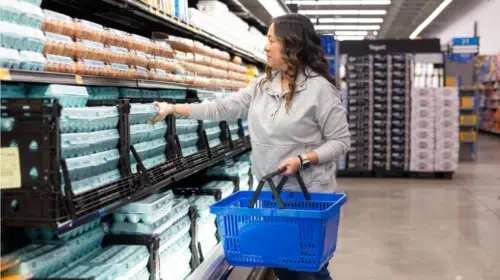
Protect product quality, gain efficiency, impact sustainability goals, and create bottom-line savings in one move.

Fewer out-of-stocks, higher product quality, greater sustainability impact.

Improve throughput, optimize storage, and reduce rejections.

Drive efficiency and enjoy faster, smoother DC operation.
Access solutions and perks that green your operation and save you money. From planning to implementation, we are with you every step of the way.
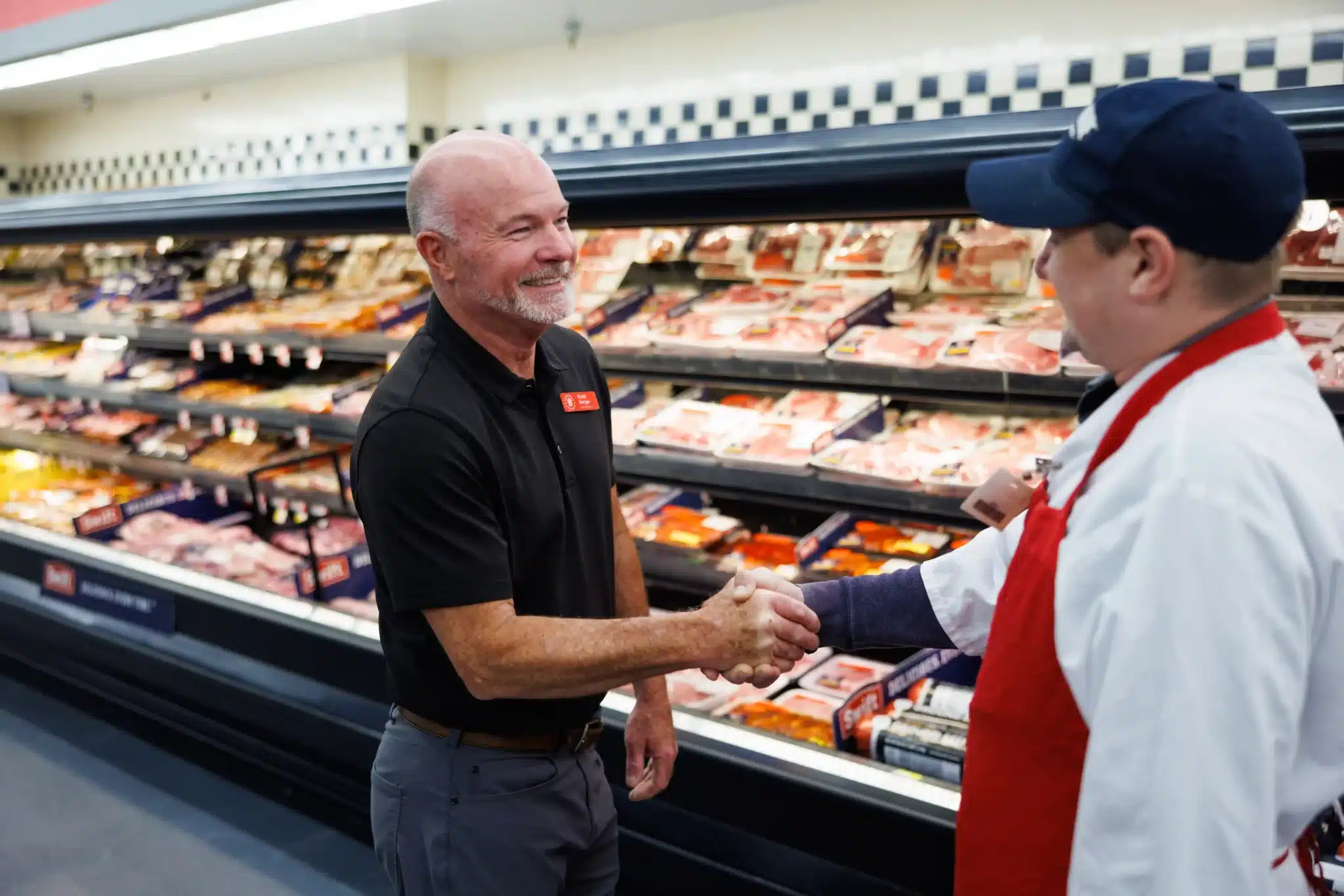
See how this leading grocer improved efficiency and sustainability by switching to Tosca RPCs. Learn the real-world impact and results in this customer success story.

Discover inspiring customer stories that highlight how our solutions have made a difference.

See why the world’s top retailers & suppliers partner with Tosca.

Reduce emissions, eliminate waste to landfills, and conserve energy.

Learn about our 60+ year history, mission and values, and leadership team.

Customize assets to meet your needs with our in-house R&D experts.

See our global network of service centers, get contact information, and directions.

Be at the forefront of sustainability with a talented team. Apply now.
Protect product quality, gain efficiency, impact sustainability goals, and create bottom-line savings in one move.
Fewer out-of-stocks, higher product quality, greater sustainability impact.
Improve throughput, optimize storage, and reduce rejections.
Drive efficiency and enjoy faster, smoother DC operation.
Access solutions and perks that green your operation and save you money. From planning to implementation, we are with you every step of the way.
See how this leading grocer improved efficiency and sustainability by switching to Tosca RPCs. Learn the real-world impact and results in this customer success story.
Discover inspiring customer stories that highlight how our solutions have made a difference.
See why the world’s top retailers & suppliers partner with Tosca.
Reduce emissions, eliminate waste to landfills, and conserve energy.
Learn about our 60+ year history, mission and values, and leadership team.
Customize assets to meet your needs with our in-house R&D experts.
See our global network of service centers, get contact information, and directions.
Be at the forefront of sustainability with a talented team. Apply now.
under Reusable Pallets

Logistics and supply chain management are always on the move. While wooden pallets have long been the industry standard, their operational costs can far surpass the initial sticker price. Fortunately, today’s manufacturing and logistics experts are exploring new avenues for handling goods, including options that help companies avoid the hidden costs of traditional pallets. At the top of that list are reusable plastic pallets.
As with any asset, the Total Cost of Ownership (TCO) is becoming increasingly important in the decision to buy or rent pallets. Erik Marinissen, Tosca’s Sales Director for DACH and Benelux, highlights why it’s important to understand how to calculate the cost-effectiveness of a pallet solution over the long run.
“By identifying these hidden costs, we can proactively help businesses make more informed decisions about their supply chain operations and encourage a move towards more sustainable practices.”
Low unit costs sway many businesses into purchasing (usually wooden)/ single-use pallets. However, reusable plastic pallets have a lower TCO as they’re a better fit for today’s end-to-end supply chain. Why?
Pallets, of course, need to move through various vehicles and inventory management systems. They might engage with robotic pickers and automated guided vehicles. It’s important to consider the costs you might incur across your products’ entire journey.
| Single-use pallets | Reusable pallets | |
| Exceptional lifespan | ❌ | ✅ |
| No disposal costs | ❌ | ✅ |
| Greener by design | ❌ | ✅ |
| IoT-enabled data systems | ❌ | ✅ |
| Lower TCO | ❌ | ✅ |
With consistent sizing, better durability, and seamless compatibility with automated systems, they’ve quickly become the go-to choice for forward-thinking supply chains.
Plastic pallets offer:
These are just a few reasons influencing the transition from wood to plastic. Not sure if the switch is cost-effective for your team? Here’s a peek at Tosca’s guide, which helps supply chain and warehouse management teams evaluate the costs of pallet ownership.
Single-use pallets might be a great answer for your warehouse, but supply chains don’t operate in a vacuum.
McKinsey showcases three words that will determine the future-readiness of your supply chain: resilience, agility, and sustainability. For many logistics officers, purchasing the wrong pallet type locks them into a limiting format.
Let’s see how reusable pallets are helping today’s logistics leaders improve supply chain visibility, meet sustainability objectives, and connect with the IIoT (industrial internet of things).
Unlike single-use pallets, reusable pallets are stronger and more durable. But this isn’t the only reason they last longer: they’re outfitted with IoT devices like RFID tags or sensors, making them easier to monitor as they move through the supply chain.
Not only can you know where a tracking-enabled pallet is, but you can also gather granular information like temperature, shock/vibration, and weight changes. This information becomes vital data for automated systems that crunch the numbers on more efficient processes.
The pressure to use more sustainable warehousing methods is growing. According to MIT’s Office of Sustainability, investors’ demand for companies to improve supply chain sustainability has grown 25% since 2020. Longer lifespans, reduced maintenance needs, and greener recyclability make reusable pallets a top-scoring strategy.
“We’re proud to offer a solution that not only saves businesses money but also contributes to environmental sustainability,” says Tosca’s EMEA President, Dan Lee. “We believe that our reusable pallets are a game-changer for any business using pallets in their supply chain.”
This extends beyond internal calls to action—consumers are also more discerning about corporate practices. NielsenIQ finds 77% of consumers would stop spending with a business that shirks its eco-friendly claims. Reusable plastic pallets are one way to stand behind your commitment to a greener future.
CALL OUT: In a pooled, rental-style system, your team isn’t committed to one pallet style.
Automated systems are expanding fast, projected to grow 131% by 2030, and filling critical labor gaps as warehouses struggle to recruit and retain workers. For many operations, automation is no longer a nice-to-have. It’s how they keep up with demand.
But not all pallets are built to support automation.
Older or inconsistent designs can cause machine jams, slowdowns, or damage during processing. Moreover, outdated pallets can lock your team into a single tech, preventing you from test-driving innovations that are upending conventional logistics. Robotics, AI, AR vision, and voice-guided picking are just a few offerings that reusable pallets make possible.
Tosca’s reusable plastic pallets are built for this environment. They maintain consistent sizing and structural integrity, making them compatible with robotic pickers, conveyor systems, automated storage and retrieval systems, and more. That flexibility matters—especially when automation is moving faster than ever.
Get Tosca’s full report today.
Moreover, Tosca’s reusable pallets contribute to a circular economy, promoting resource efficiency and waste reduction. By choosing Tosca’s solutions, businesses can achieve cost savings and sustainability goals simultaneously.
“We’re proud to offer a solution that not only saves businesses money but also contributes to environmental sustainability,” said Tosca’s EMEA President, Dan Lee. “We believe that our reusable pallets are a game-changer for any business using pallets in their supply chain.”
For more information about Tosca’s report on the hidden costs of pallet ownership or to learn more about their reusable plastic pallets, Click here.
Published on November 6, 2023
Updated on August 20, 2025