















Get rid of foam once and for all
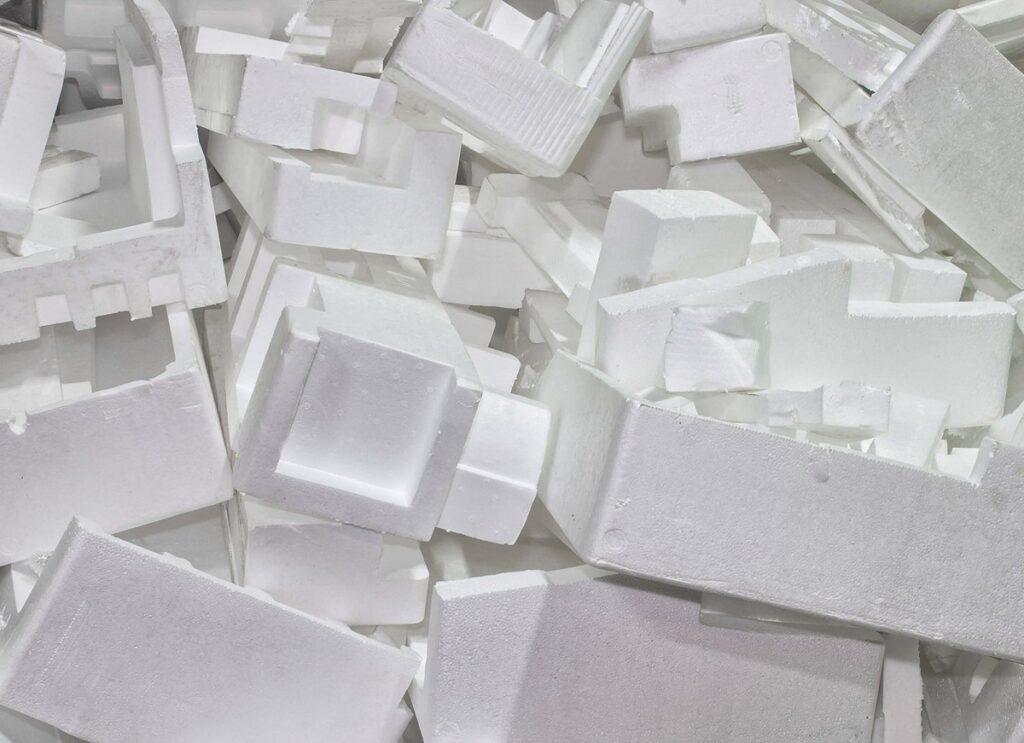
The problem with foam packaging and the alternative solution that is bringing sustainability and cost savings to seafood supply chains.
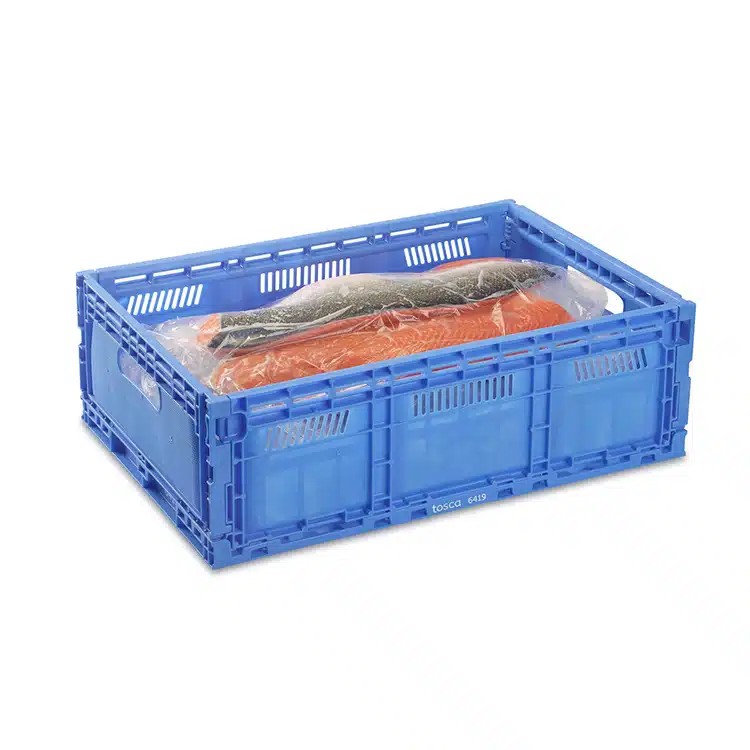
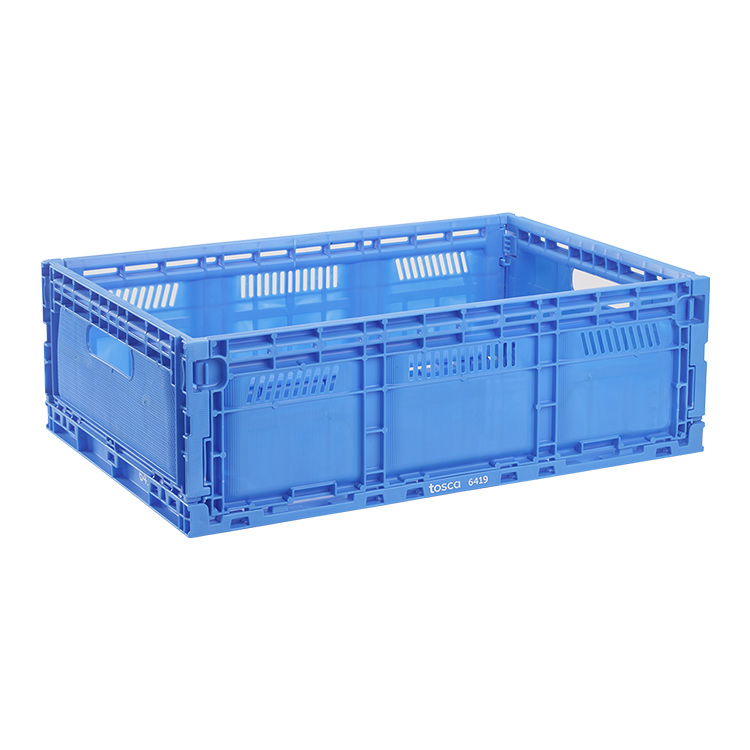

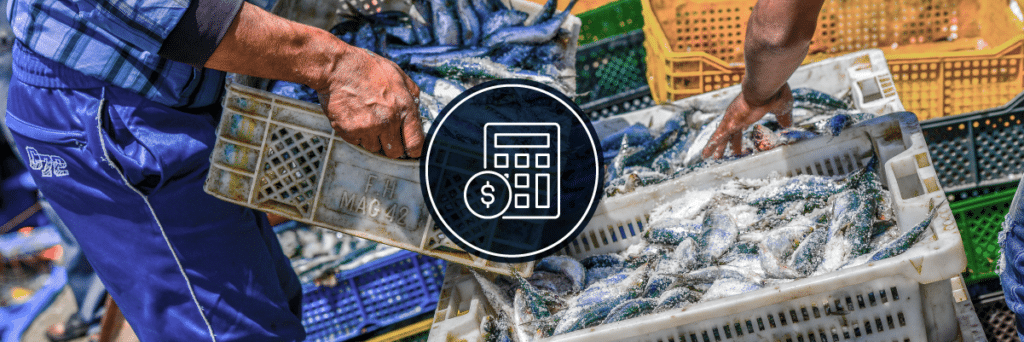
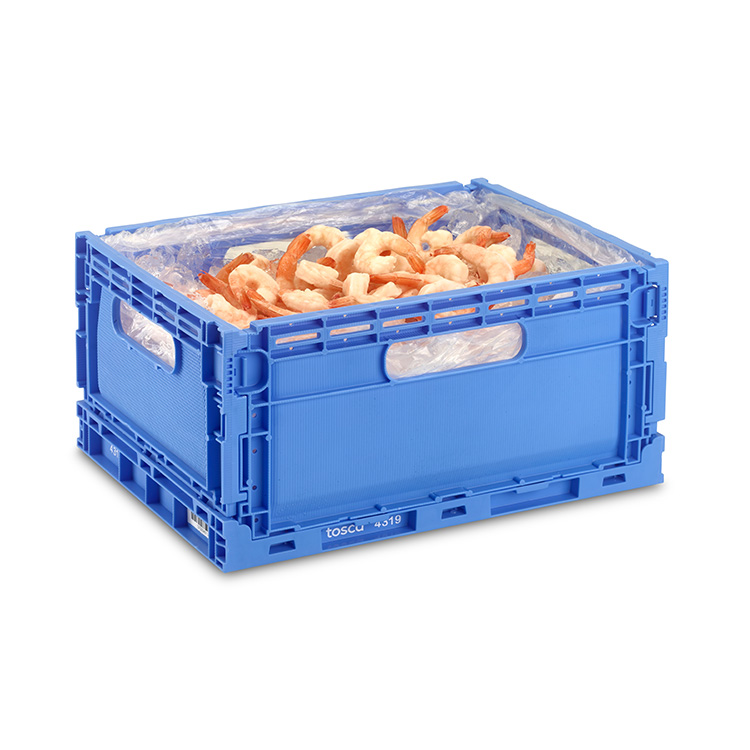
Purpose-built for the seafood supply chain, this reusable plastic container offers the durability and strength to withstand weight and water better than EPS foam can. It is designed to keep cold temperatures, helping maintain seafood quality. It is also reusable and recyclable, ensuring you can avoid the growing regulatory limitations on the use of single-use foam containers.

Sustainable
Tosca reusable plastic containers, designed specifically for seafood, are much less wasteful and expensive than EPS foam, and keep packaging out of landfills.

1/3 of the cost of foam
Combined with Tosca pallets in a pooled solution, it helps reduce seafood shipping costs 300% versus foam.

Maintains seafood quality
It keeps cold temperatures, which keeps seafood fresher throughout its journey to market.
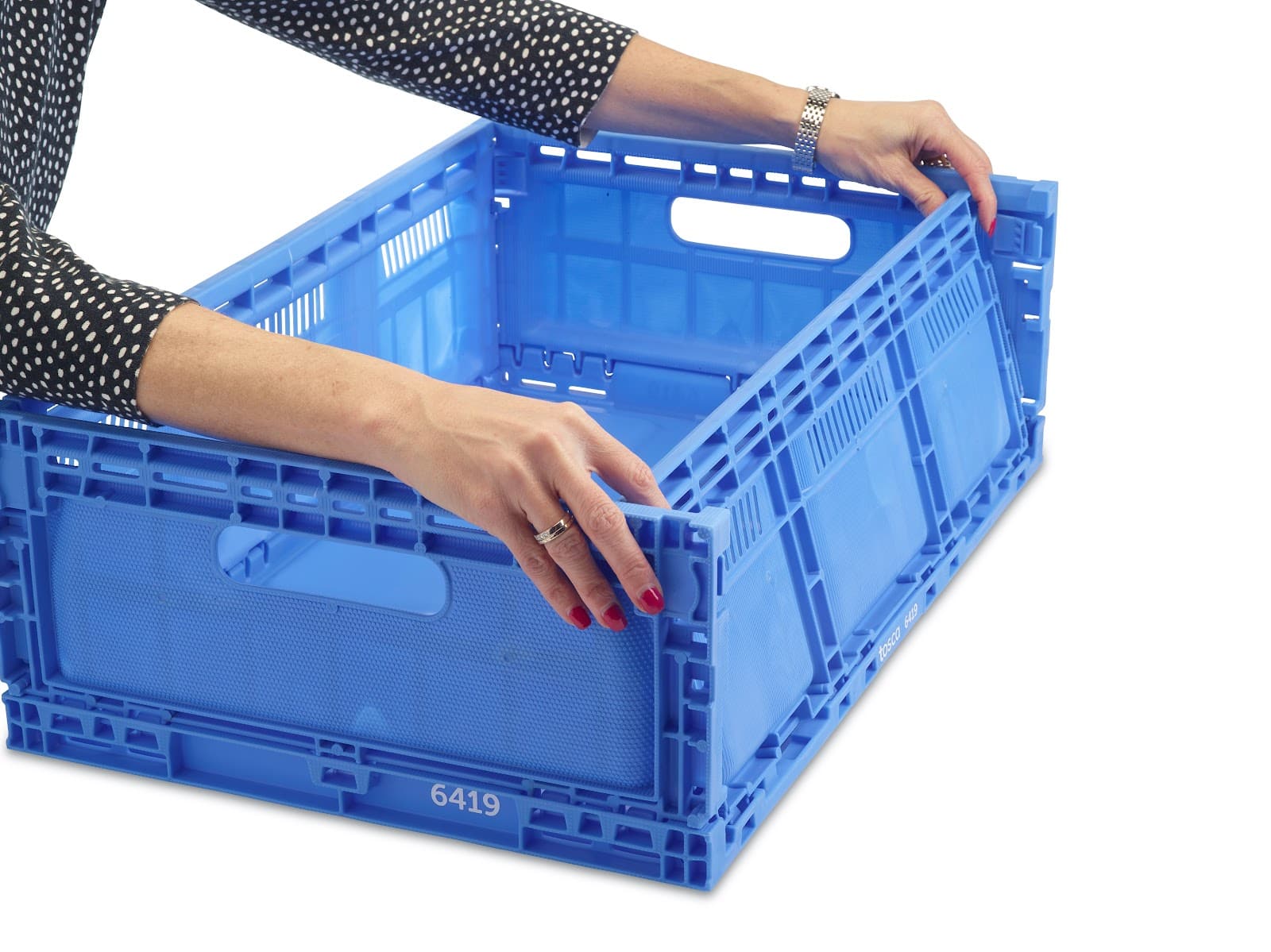
Reusable seafood containers strengthen supply chain resilience by delivering consistent performance in cold, wet, and high-ice conditions where single-use packaging often fails. Their rigid, moisture-resistant design prevents collapse, protects product from damage, and supports stable stacking and transport. Improved airflow and temperature consistency help maintain the cold chain, reducing spoilage, delays, and quality loss—so seafood arrives fresher and operations remain reliable even during disruptions.
Reusable plastic shipping boxes improve food safety in seafood cold chains by providing non-porous, moisture-resistant surfaces that don’t absorb liquids, bacteria, or odors like foam or corrugated. They can be thoroughly washed and sanitized between uses, supporting consistent hygiene standards. Their rigid structure prevents collapse in wet, icy environments, reducing cross-contamination risk and product exposure.
At the end of their lifecycle, Tosca’s seafood storage containers are fully recycled and remanufactured into new reusable packaging or other durable plastic products. This closed-loop process keeps materials in use, diverts plastic from landfills, and reduces the need for virgin resin. By designing containers for long service life and recyclability, Tosca supports a circular economy that minimizes waste, lowers environmental impact, and maximizes the value of packaging assets over time.