








Skip to content

Whitepapers

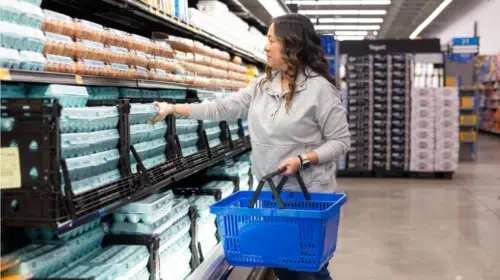
Protecting the Product: How Reusable Plastic Containers Solve an Ongoing Egg Problem

There is an increased need for tracking data and visibility across the supply chain, and particularly throughout the transportation journey. Without the ability to trace products as they move, companies are not able to face a problem until it is already too late.

Strengthening your supply chain amid evolving regulations

Food safety and sustainability are no longer just buzzwords; they are business imperatives. Consumers are increasingly demanding transparency and accountability from the brands they trust, while governments are implementing stricter regulations to protect public health and the environment.

Turnover, tariffs and trend-shifts: Building stategic resilience in the food supply chain

This paper examines practical approaches toresilience in the face of a new labor reality byaddressing interconnected challenges throughworkforce structure, consumer demands,packaging optimization, and strategic automationreadiness.

The hidden costs of corrugated along the supply chain

Box failures don’t just cost money—they severely damage retailer and supplierreputations. Suppliers take the direct hit through rejected loads and missed deliverywindows, while retailers lose valuable labor time managing damaged goods.

Demystifying IoT for supply chains 

Learn the basics of what IoT is, why it works so well, and how it can be used to gain critical insights for your supply chain. 

Protecting prepared food: How reusable plastic containers solve an ongoing problem

The toll taken by food waste is felt strongly by fresh, prepared food suppliers. The increased cost of the farm-to-retailer journey is creating pressure on leaders to find greater efficiencies

Protecting the poultry: How reusable plastic containers solve an ongoing problem

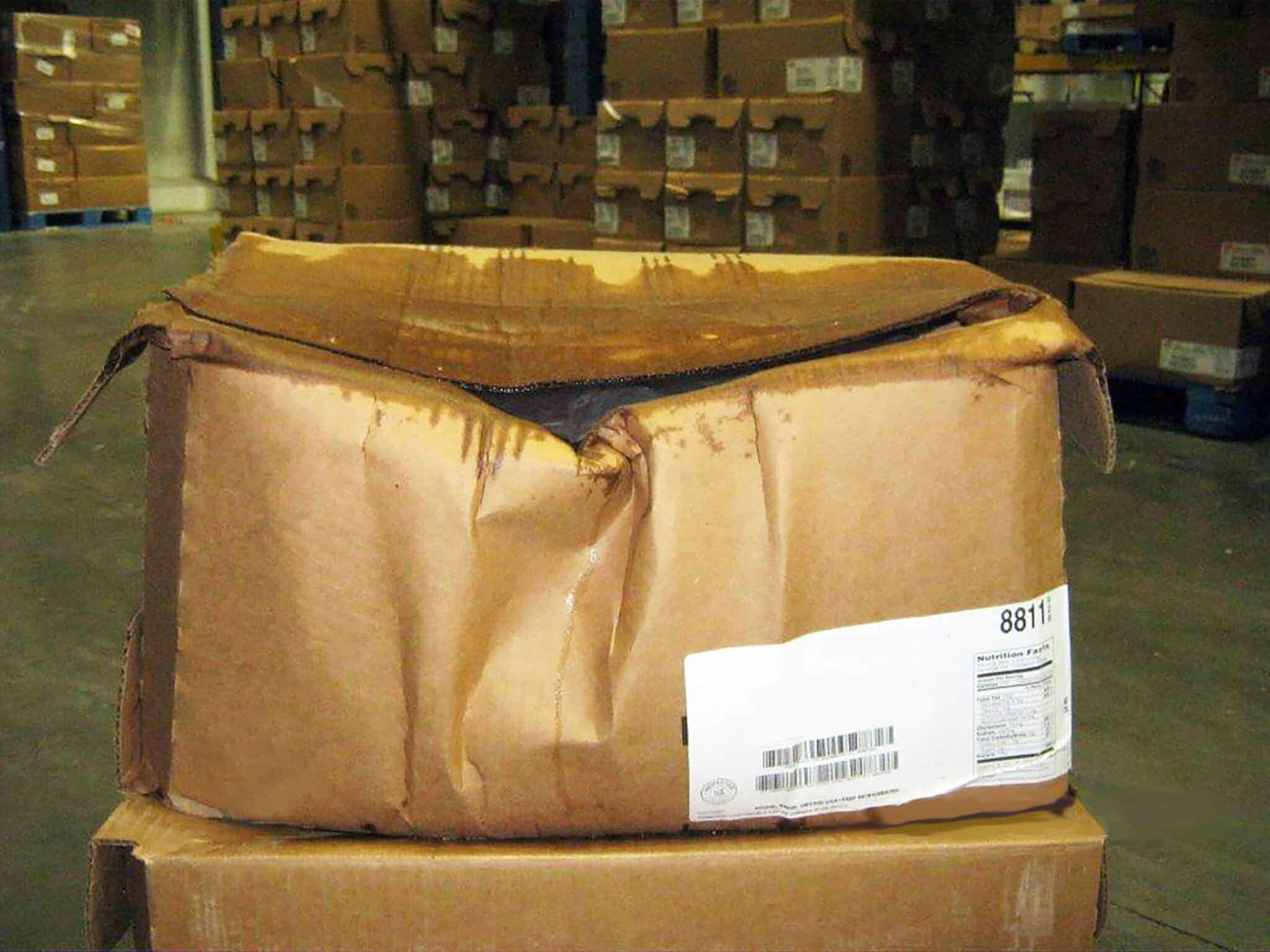
Fresh chicken is more than 70 percent water and most often shipped with an ice crust. Packaging frequently leaks in transport. When it does, the fibers in the corrugated boxes break down, leaving them vulnerable to collapse.

Protecting meat: How reusable plastic containers solve an ongoing problem

When it comes to transporting meat along the supply chain from farm to retailer, corrugatedboxes often are the default choice. This leads to higher food waste rates – farms and producerslose $15 billion to it annually, and manufacturers another $2 billion.

Protecting the produce: How reusable plastic containers solve an ongoing problem

Corrugated boxes and fresh produce don’t mix.That’s the message coming from suppliers and retailers trying to protect their already thinmargins.